

The hardest part of starting Muay Thai is not the training. It is not the fitness, it is not learning to throw a jab, and it is not the first time you get kicked in the leg and realise exactly what all the fuss is about. The hardest part is walking through the door of a gym for the first time, not knowing anyone, not knowing where to stand, not knowing what to do with yourself while everyone else seems to know exactly what they are doing.
That feeling is universal. Every single person you will ever train with has had it. The trainer who is correcting your guard right now walked into a gym once not knowing a single person and feeling exactly as lost as you do. The knowledge that it goes away does not make the first day easier, but it does make it survivable.
Choosing the right gym for your first experience matters more than most people realise. A good gym will make that first day manageable. A bad gym can put you off a sport that might otherwise become one of the best things you ever committed to. This guide is here to help you find the right one.
What Actually Makes a Good Beginner Gym
A good beginner gym is not necessarily the most famous gym, the most expensive gym, or the gym with the most impressive fighters on its wall of champions. Those things are fine, but they are not what a new student needs most in the first months of training.
What you need is a gym that has a structured beginner programme, coaches who take the time to explain technique rather than just demonstrate it, and an atmosphere that is welcoming to new members. You also need a gym that is physically reachable. The best gym in your city that you cannot get to consistently is worth less to your development than a decent gym you can attend four times a week.
Ask gyms directly how they handle beginners. A gym with a clear answer has thought about it. A gym that shrugs and says you will figure it out has probably not structured its beginner experience at all. Your willingness to ask the question tells you as much as the answer.
Red Flags to Watch For
Some gyms are not set up well for new students, and the signs are usually visible before you commit. A gym where nobody acknowledges you when you arrive is one signal. A class structure where beginners are thrown straight into sparring without drilling first is another. Coaches who are disengaged, on their phones during sessions, or who clearly prioritise their advanced students to the exclusion of everyone else are worth noting.
The hygiene question matters more than some people expect. Muay Thai involves significant physical contact. A gym that does not enforce basic hygiene standards, where the mats are not cleaned regularly, where fighters are sparring with open cuts, is a gym where you are taking unnecessary risks. A clean gym is a gym that takes its students seriously.
Pricing transparency is another indicator. If a gym is reluctant to give you a clear breakdown of costs, membership terms, and cancellation policy, that reluctance usually has a reason. Good gyms are comfortable being direct about what they charge and what you get.
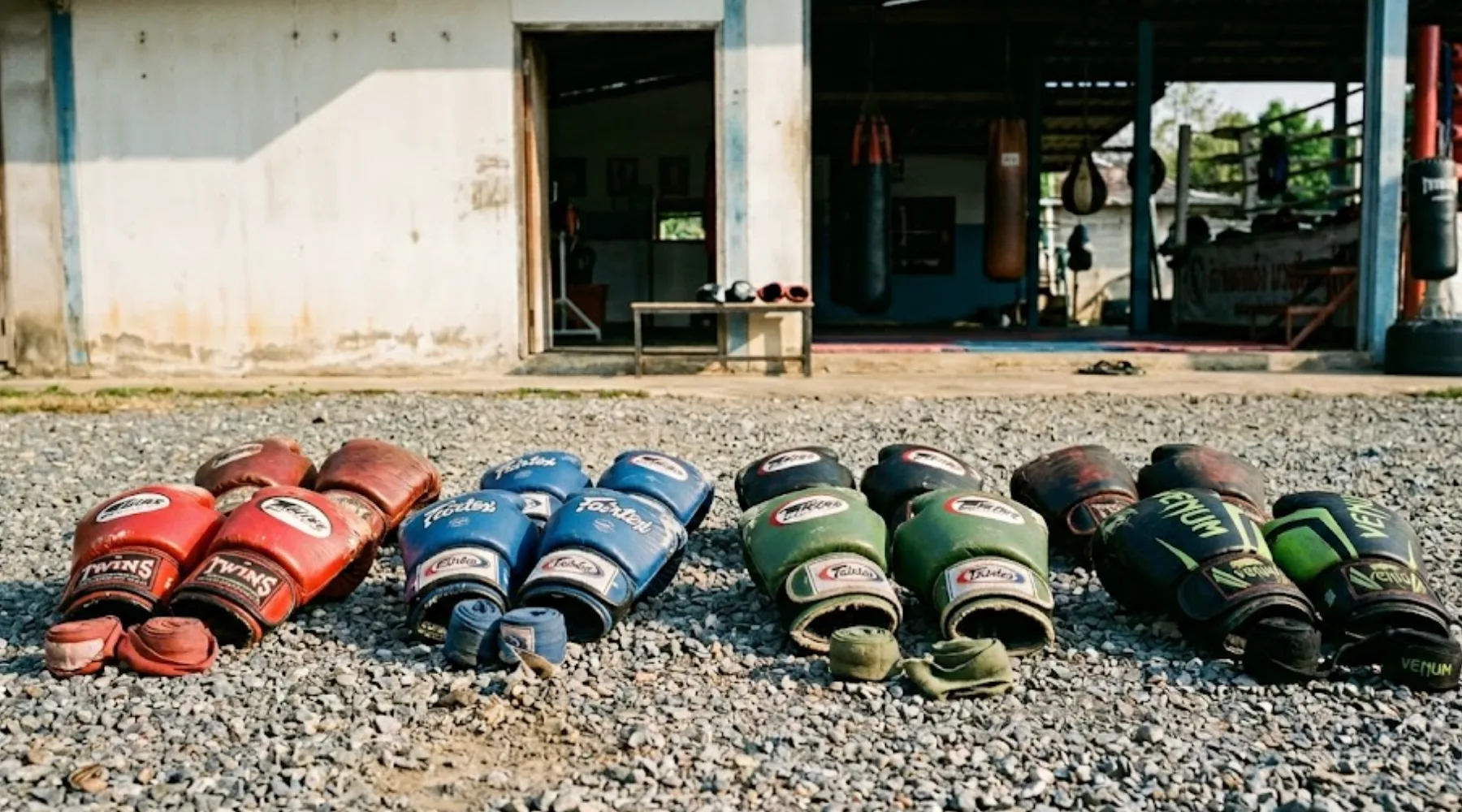
For Men: What to Expect and What to Look For
Most Muay Thai gyms have a predominantly male membership, which means the beginner experience for men tends to be fairly well-catered for in terms of sheer volume of people at a similar level. The social integration is usually quicker because there are more entry points. Find someone your level, drill with them regularly, and the gym becomes comfortable faster than you expect.
The main thing to manage early on is ego. Muay Thai will humble you regardless of your background in other sports or training. A degree of physical confidence is useful. A belief that your existing fitness or strength will protect you from looking like a beginner is not. The fastest learners in any beginner class are the ones who accept they are starting from scratch.
In terms of what to look for specifically: a gym with dedicated beginner classes, separate from the advanced or fighter sessions, will accelerate your development considerably. Being thrown into a mixed class where the advanced students are drilling fight-level combinations while you are still working out which hand leads is a frustrating experience that does not need to be yours. Ask whether beginner and advanced sessions are separated before you join.
Sparring deserves a mention. Reputable gyms do not pressure beginners into sparring before they are ready. Light technical sparring, when introduced gradually and at your own pace, is one of the best learning tools in Muay Thai. Being thrown into hard sparring before you have the fundamentals is not useful for your development and not safe for your face. A good coach knows this. If a gym is rushing you toward hard sparring in your first weeks, take note.

For Women: Specific Considerations
Muay Thai gyms vary significantly in how well they cater for female members. The sport has a growing and increasingly visible female presence, and most serious gyms have adapted accordingly. But not all have, and knowing what to look for makes the search easier.
The first thing to check is whether the gym has female coaches or at least coaches with significant experience training female students. A coach who regularly trains women will be better calibrated to the specific physical dynamics and common areas of development that female beginners encounter.
Changing facilities matter. A gym that has functional, clean, private changing space for women is a gym that has thought about female members as members rather than as an afterthought. It sounds like a basic consideration, and it is, but it is not universally provided. Check before you commit.
The atmosphere of the gym is worth paying close attention to on a trial session. A welcoming gym feels welcoming to everyone walking through the door, regardless of gender or experience level. If the vibe is exclusionary, if there are pointed looks at newcomers, if the culture feels like a closed shop for people who already know each other, that culture does not tend to change once you join. Trust what you observe on day one.
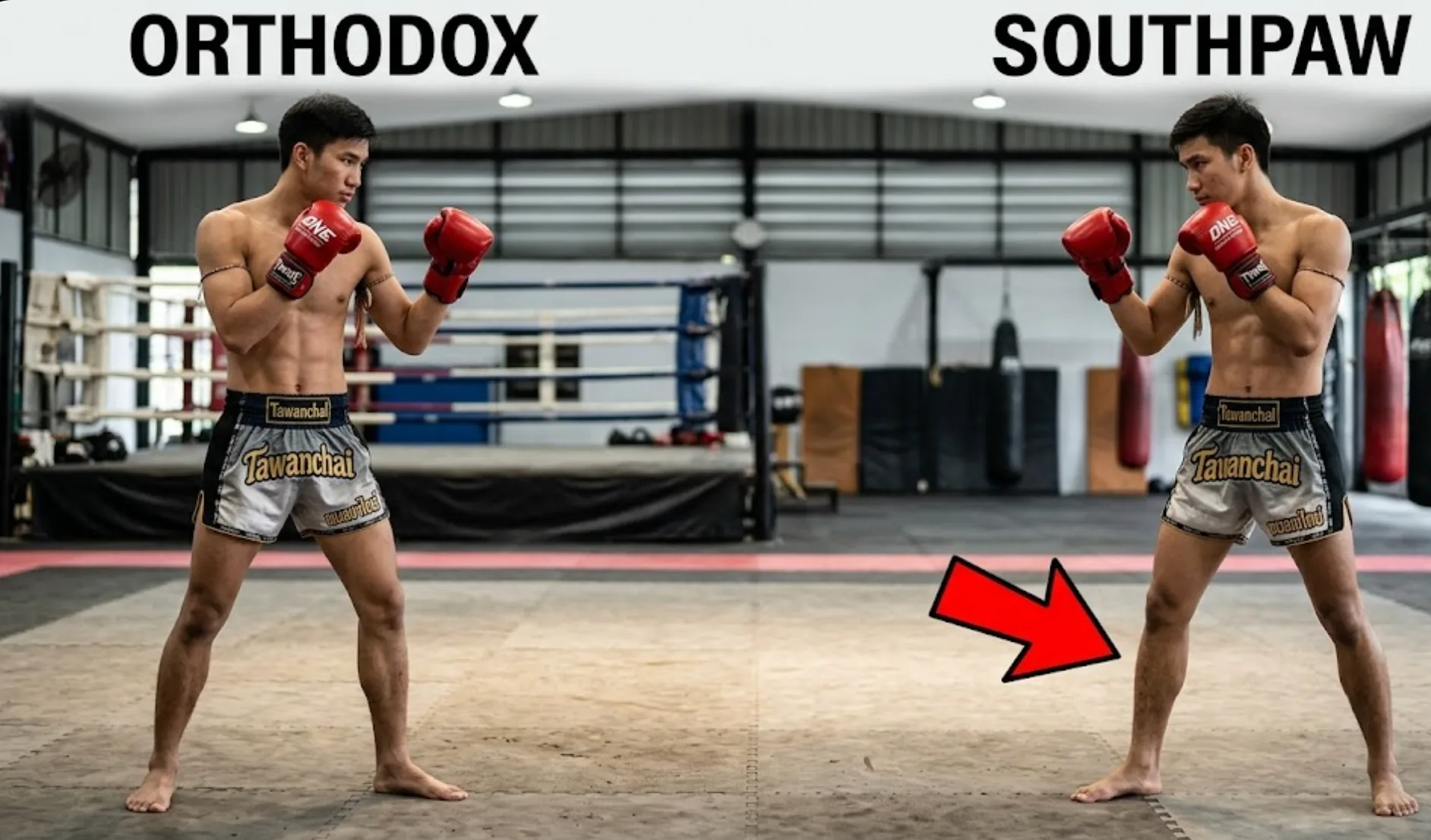
For Children: What Parents Should Know
Muay Thai for children is a different conversation from adult training, and it deserves to be treated as such. The physical and mental benefits of martial arts training for young people are well-documented: discipline, focus, physical fitness, confidence, respect for others, and the ability to manage setbacks. A good children's Muay Thai programme delivers all of these things. A poorly run one delivers none of them.
The first and most important question to ask any children's gym is how they approach sparring with young students. Responsible children's programmes drill technique extensively and introduce any form of contact very gradually, with appropriate protective equipment and always under close supervision. A children's programme that has young students in full sparring early is not being tough or developing resilience. It is being reckless.
Qualified coaching matters more for children's classes than for adult classes. An adult who is managing a bad coaching session can recognise it and seek better. A child cannot. Check whether coaches who work with children have relevant qualifications or formal training in working with young athletes.
The social environment of the class is important. Children's Muay Thai at its best is energetic, fun, and filled with positive reinforcement. It does not humiliate struggling students, does not use physical exercise as punishment, and does not create an atmosphere where children feel afraid to make mistakes. A child who is nervous about making mistakes will not learn efficiently and will not enjoy the experience.
Talk to other parents whose children train at the gym before enrolling. Their experience over months of sessions is more informative than any trial class or conversation with a coach. Gyms that are doing children's programmes well tend to have parents who are enthusiastically willing to say so.
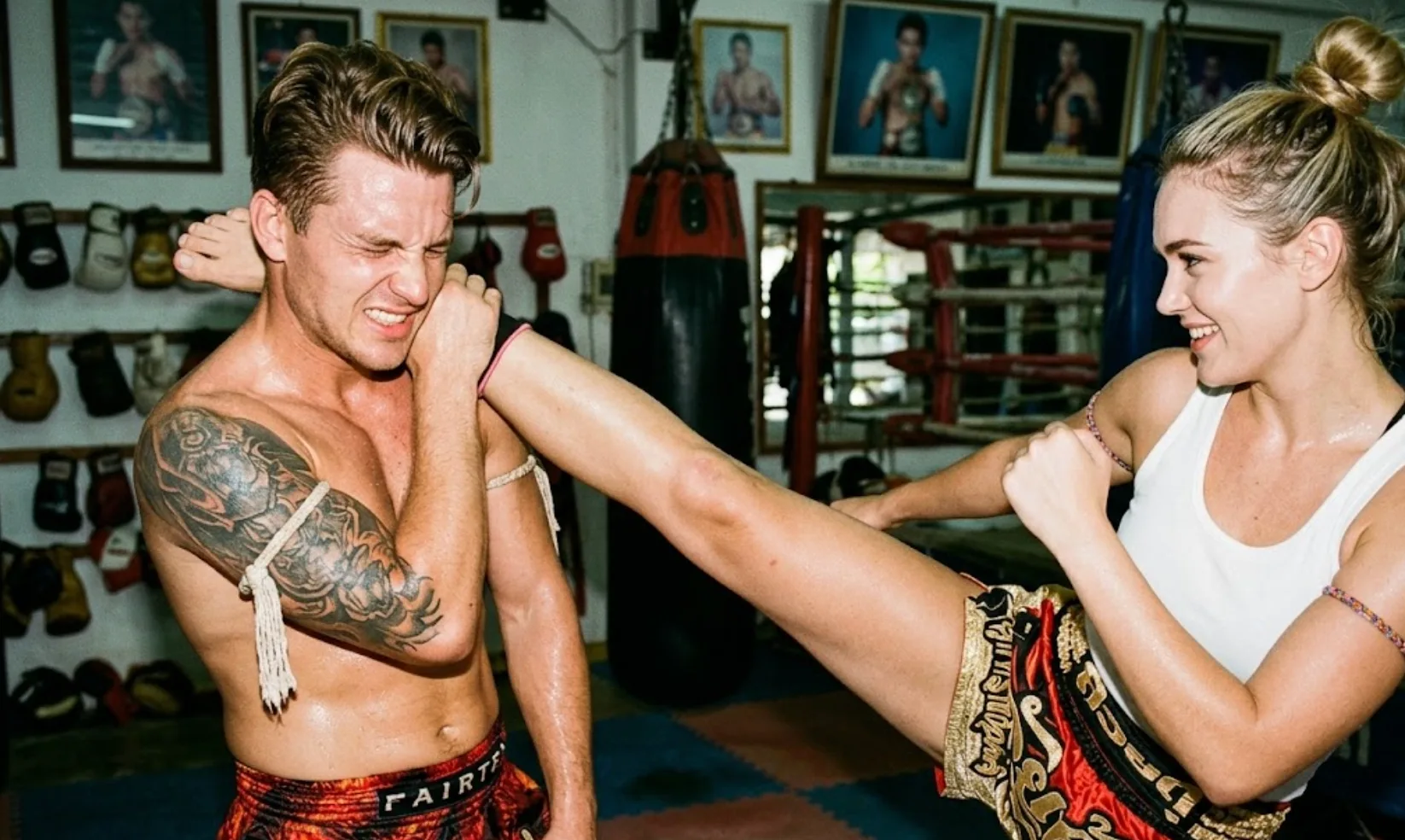
The Trial Session Is the Best Decision You Will Make
Almost every reputable gym offers a trial session, and you should take it at every gym you are seriously considering. Show up with an open mind, introduce yourself clearly, and pay attention to everything that happens from the moment you arrive. How are you greeted? Is the training environment clean? Are the coaches attentive? How do other students treat a new face in the room?
If a gym does not offer a trial session, that is useful information in itself. Gyms that are confident in what they provide want you to experience it before committing. Gyms that are reluctant to let you see what the training actually looks like have a reason for that reluctance.
The right gym for you is the one where the training is solid, the coaches are engaged, the environment is safe, and you leave the trial session wanting to come back. When you find it, commit properly. Show up consistently, ask questions, and be patient with your progress. Muay Thai rewards the people who turn up. That much has not changed in however long the sport has existed, and it is not going to change now. Once you have found your gym, our guide to what actually happens in your first class tells you exactly what to expect and how to prepare. And if you are considering training in Thailand itself, our guide to training in Thailand covers what the brochure leaves out.
Frequently Asked Questions
What should I look for in a beginner Muay Thai gym?
The most important factors for a beginner are a structured beginner programme separate from advanced sessions, coaches who explain technique rather than just demonstrate it, a clean training environment, and an atmosphere that is genuinely welcoming to new members. Physical proximity matters too. A gym you can reach consistently will always serve your development better than a theoretically better gym you cannot attend regularly.
Is Muay Thai safe for beginners?
Yes, Muay Thai is safe for beginners when practised at a well-run gym. Reputable gyms introduce sparring gradually and only when a student has developed sufficient technical foundations. The early phase of training is focused on drilling technique, pad work, and bag work rather than contact. A good coach will not push you toward sparring before you are ready.
Is Muay Thai suitable for women?
Muay Thai is entirely suitable for women and is one of the fastest-growing female participation sports in combat sports. The technique-based nature of the art rewards skill over size, making it accessible and effective for female practitioners at every level. Look for gyms that have experience training female students, provide appropriate changing facilities, and maintain a welcoming atmosphere.
At what age can children start Muay Thai?
Many gyms accept children from around six or seven years old, though this varies. The key is finding a programme specifically designed for children rather than placing young students in adult classes. Responsible children's programmes focus on technique, coordination, and fun, introducing contact only gradually and always with full protective equipment under close supervision.
How many times per week should I train as a beginner?
Two to three sessions per week is a good starting point for most beginners. This frequency allows your body to adapt to the physical demands of the training, gives you enough repetition to build muscle memory, and leaves adequate recovery time. As your fitness and technique develop, increasing to four or five sessions per week becomes a natural progression.