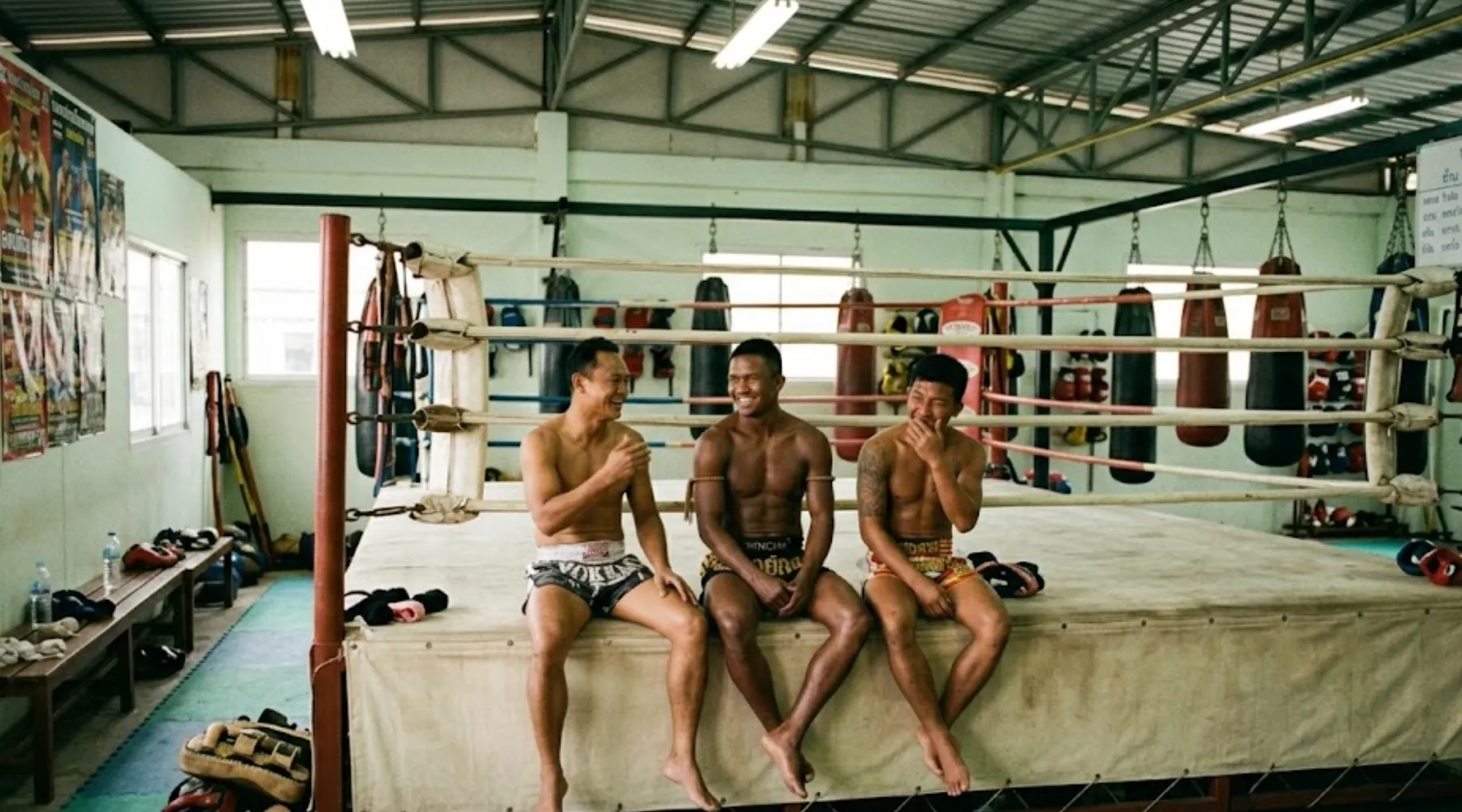
Greatness in Muay Thai is a specific thing. It is not just winning, though you absolutely have to win. It is not just power or physical gifts or the ability to hurt people. The sport has always had heavy hitters. What separates the truly great ones is something harder to name, something the Thais gesture at when they use words like Sanuk and Muay Femeu. Joy in the art. High IQ in the ring.
Ask ten people who have watched thousands of Muay Thai fights the same question. The names they give you will overlap more than they disagree. There is a short list, consistent and recurring, that the community always comes back to.
This is not a definitive ranking. There is no such thing in Muay Thai. It is an honest account of the fighters who defined the sport in the era that most of the watching world grew up with. Three names. Three completely different fighters. One thing they share.
Saenchai: The Genius
There is nobody in the history of the sport quite like Saenchai. In an art where the techniques are centuries old and every trainer teaches from the same foundational vocabulary, Saenchai found movements and combinations that looked like they came from somewhere else entirely.
His southpaw stance, the Scorpion kick, the cartwheel deployed against opponents young enough to be his children, the absolute composure with which he dismantled fighters who should have had every physical advantage. He fought deep into his forties and was still entertaining crowds in ways that twenty-five-year-olds never managed.
What makes him the most important figure in modern Muay Thai is not his record. It is what he proved about the possibilities of the art. He showed that Muay Thai is not about being bigger or stronger or younger. It is about being smarter.
And he did it while clearly enjoying himself. That joy is not incidental. It is the point.
Buakaw: The Fighter Who Changed the Numbers
Before Buakaw Banchamek, Muay Thai's global expansion was moving slowly. After him, it accelerated.
Buakaw won the K-1 World Max tournament twice, in 2004 and 2006, competing in a kickboxing format against opponents from across the world. He won in a way that was unmistakably Muay Thai. The aggressive low kicks, the forward-walking pressure, the iron conditioning that wore opponents down over three rounds. He did not reshape his style to fit international competition. He brought Muay Thai to international competition and it was enough.
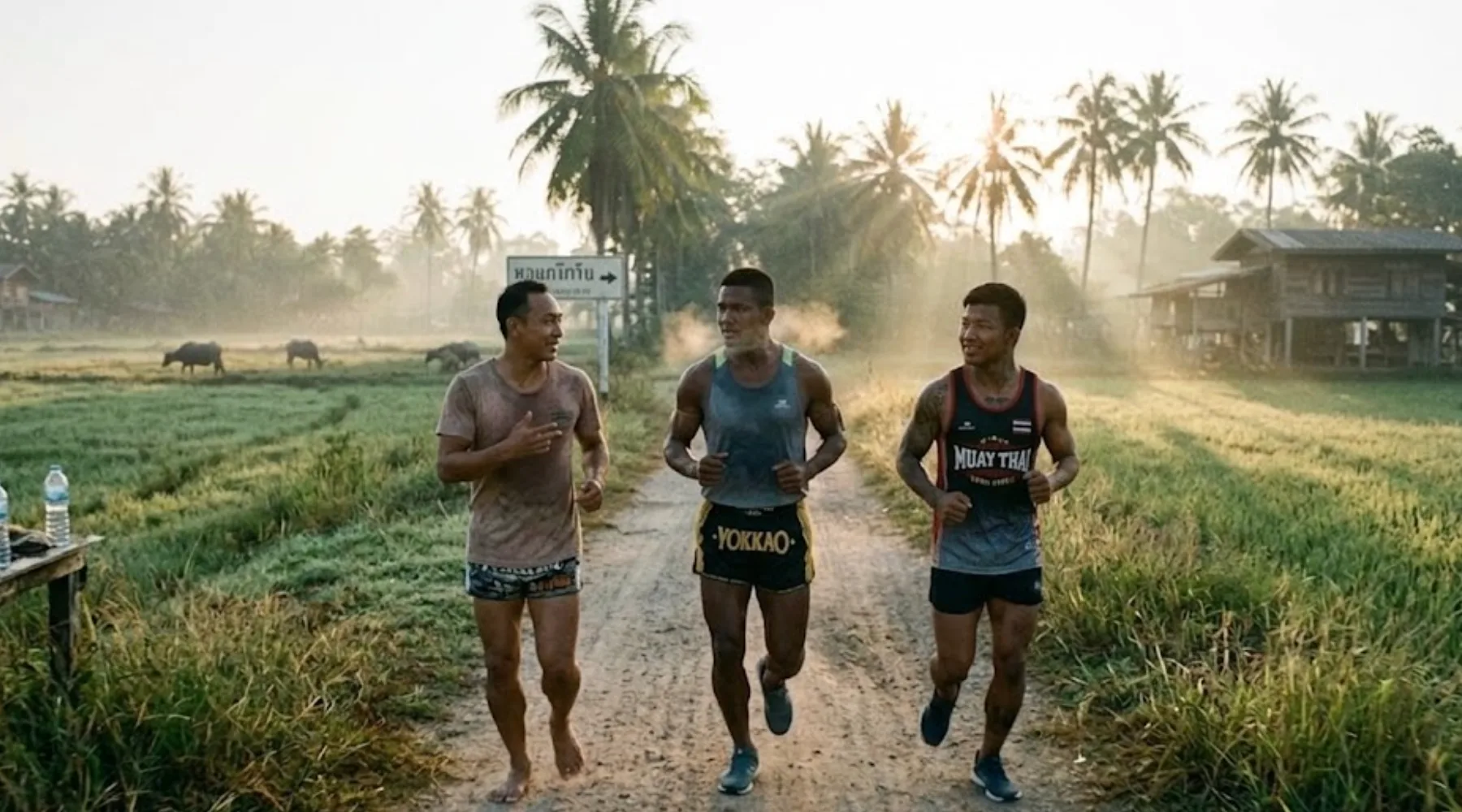
Beyond his record, his visual impact on the sport cannot be measured. The training footage, the physique, the documentary material of him running through the Thai countryside before dawn. He gave the world an image of what a Muay Thai fighter looks like, and hundreds of thousands of people looked at that image and walked into a gym for the first time.
Buakaw did not just compete internationally. He recruited.
Rodtang: The Pressure That Does Not Stop
Rodtang Jitmuangnon is not a historical figure. He is happening right now, and watching him fight is one of the more disorienting experiences available to a Muay Thai fan.
He is a Muay Khao stylist, a forward-pressure machine who absorbs damage and keeps walking. Against fighters who have the tools to slow him down, he simply does not slow. He takes a shot to give three back, and the cumulative weight of that pressure eventually breaks opponents who were technically equipped to beat him.
What makes Rodtang particularly significant is where he competes. ONE Championship is the biggest martial arts promotion in Asia, and he fights at the top of it against the best competition available globally, with absolute conviction. He looks at every opponent like the outcome has already been decided. Confidence worn like a fighting style.
The Thing They All Share
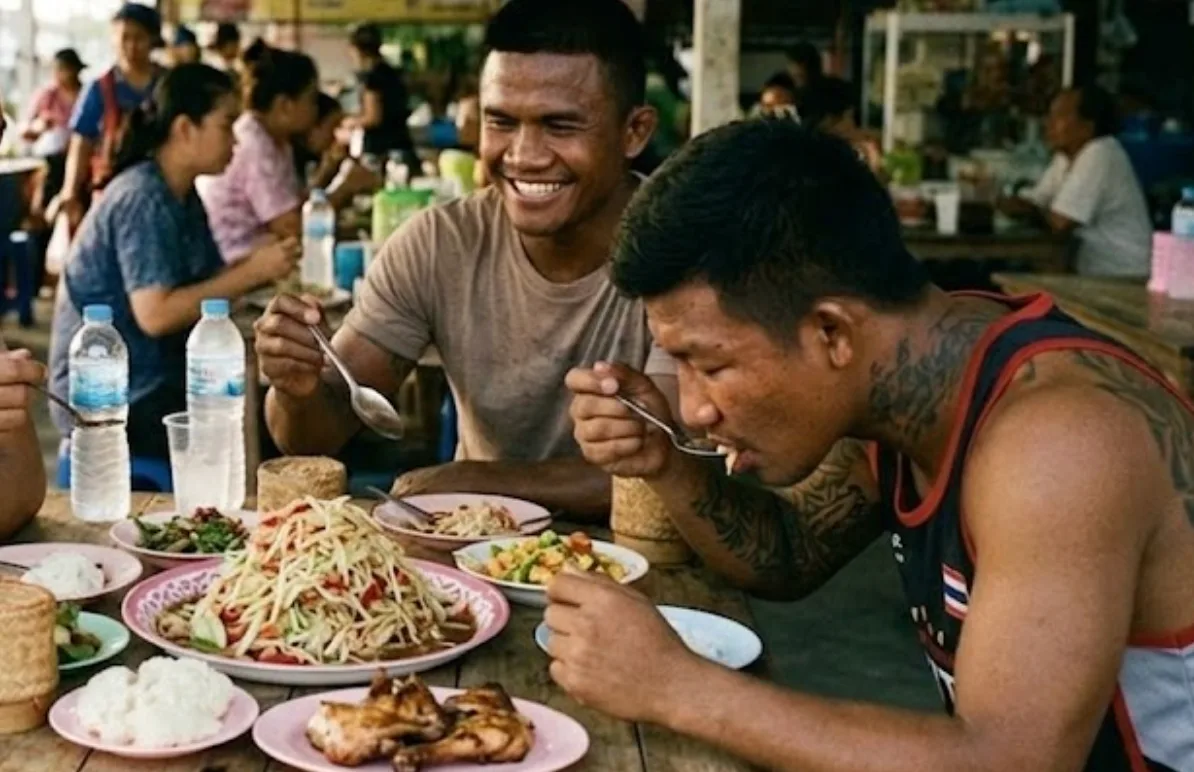
These three fighters are completely different in style, background, and personality. What they share is something impossible to fake inside a Muay Thai ring.
They all love it. Visibly, genuinely, without performance. Saenchai's joy is in the artistry. Buakaw's is in the battle. Rodtang's is in the pressure and the willingness to absorb damage to inflict it. Different expressions of the same quality, a love for the sport that shows in the ring whether you are looking for it or not.
Muay Thai has a finely calibrated sense for authenticity. The fighters who reach legendary status are always the ones whose relationship with the art is real. You cannot fake that for five rounds at Lumpinee. The ring finds out.
The Next Names Are Being Made Now
The generation coming through right now is the most technically educated in the sport's history. They have access to footage, coaching, and global competition that Saenchai and Buakaw never had at the same age. Names like Tawanchai, Jonathan Haggerty, and Superlek are building legacies that the next generation will study the way we study the legends now.
The sport has never had more eyes on it. The fighters benefiting from that attention are producing Muay Thai at the highest level ever seen.
The best is not behind us. It is being made right now.
The Fighters Just Outside This List
Any honest conversation about the modern era has to acknowledge the names that get left out when you limit the list to three. Dieselnoi Chor Thanasukarn belongs in every serious discussion. He was the dominant heavyweight of the 1980s, fought everyone available, and retired undefeated, not because he ran out of motivation but because nobody would face him. He is one of the few fighters in the sport's history who simply emptied the division.
Samart Payakaroon is another. A two-sport world champion, Muay Thai and Western boxing, who had the technique of Saenchai and the athleticism to back it up in both disciplines simultaneously. The argument that he should top this entire list is not a weak one. His southpaw style, his movement, his boxing IQ were all generational.
Namkabuan Nongkee Pahuyuth spent much of the nineties losing fights he was unlucky to lose and winning ones he had no business winning. He was the kind of fighter who made every opponent look worse for not finishing him. The toughness, the timing, the durability at the highest level. He belongs here too.
What the List Tells Us About the Sport
Look at the short list that the Muay Thai community consistently returns to and you notice something. The fighters on it are not all the biggest hitters. They are not all the most dominant champions. Some had complicated records. Some lost fights they should have won.
What they share is a relationship with the art that went beyond competition. Saenchai's joy in the ring, Buakaw's absolute commitment to the Muay Thai identity, Rodtang's almost reckless refusal to be discouraged. These are expressions of something the sport recognises and rewards with a kind of cultural memory that a title record alone never achieves.
Muay Thai does not just remember who won. It remembers who was worth watching. That distinction matters, and the fighters who understood it changed the sport in ways that go well beyond their records.
The next generation will add new names to this conversation. Some of them are fighting right now, building the kind of legacy that takes years to fully see. Watch closely. These are the years people will reference later.
Frequently Asked Questions
Who is the greatest Muay Thai fighter of all time?
There is no single definitive answer, but Saenchai is the name that appears most consistently when experienced fans and trainers are asked. His technical creativity, longevity, and ability to defeat much younger opponents deep into his forties set him apart. Other names that always appear on the list include Dieselnoi, Samart Payakaroon, and Namkabuan.
What made Saenchai so special as a Muay Thai fighter?
Saenchai combined exceptional technical creativity with a composure and joy in the ring that was genuinely rare. He developed movements, including the Scorpion kick and cartwheel techniques, that appeared entirely original in an art with centuries of established vocabulary. He competed into his mid-forties against fighters decades younger and remained entertaining and effective throughout.
Why is Buakaw important to the history of Muay Thai?
Buakaw Banchamek accelerated Muay Thai's global expansion significantly. His back-to-back K-1 World Max wins in 2004 and 2006 demonstrated Muay Thai's effectiveness in international competition, and his training footage gave the world a specific visual identity for what a Muay Thai fighter looks like. Many people cite Buakaw as the reason they walked into a gym for the first time.
Who is Rodtang Jitmuangnon?
Rodtang Jitmuangnon is one of the most exciting active fighters in Muay Thai, competing at ONE Championship flyweight. He is a Muay Khao stylist, a forward-pressure fighter who absorbs damage and keeps advancing, with an extraordinary ability to break opponents through sheer cumulative pressure. He fights with a visible confidence that looks like the outcome has already been decided.
Who are the best Muay Thai fighters right now?
As of 2025, fighters building significant legacies include Tawanchai PK Saenchai, Jonathan Haggerty, Superlek Kiatmoo9, and Rodtang Jitmuangnon, all competing at ONE Championship, currently the biggest stage the sport has. This generation has access to coaching, footage, and global competition that previous generations did not, and the technical standard reflects it.