If you are new to Muay Thai and someone asks you who the greatest fighter of all time is, you will probably say Saenchai. Most people do, because Saenchai fought late enough for video footage to exist and the footage is extraordinary. Spend more time around the sport, though. Ask the trainers and scholars who have been watching for forty years. You will hear a different name more consistently. Samart Payakaroon. For a broader look at the fighters who defined the modern era alongside him, The Greatest Muay Thai Fighters of the Modern Era is the place to start.
The problem with Samart is time. He fought in an era before the internet, before YouTube, before any of the documentation infrastructure that turns a great fighter into a story the whole world can access. The footage that survives is limited. The stories are passed down through people who were there rather than through a searchable video library.
This is a guide for people discovering the sport who want to understand who Samart was, why he is discussed the way he is, and why people who watched him fight in the 1980s still get genuinely animated when his name comes up. You do not need any background in Muay Thai to follow this. Start here.
A Little Context First: What Lumpinee Meant
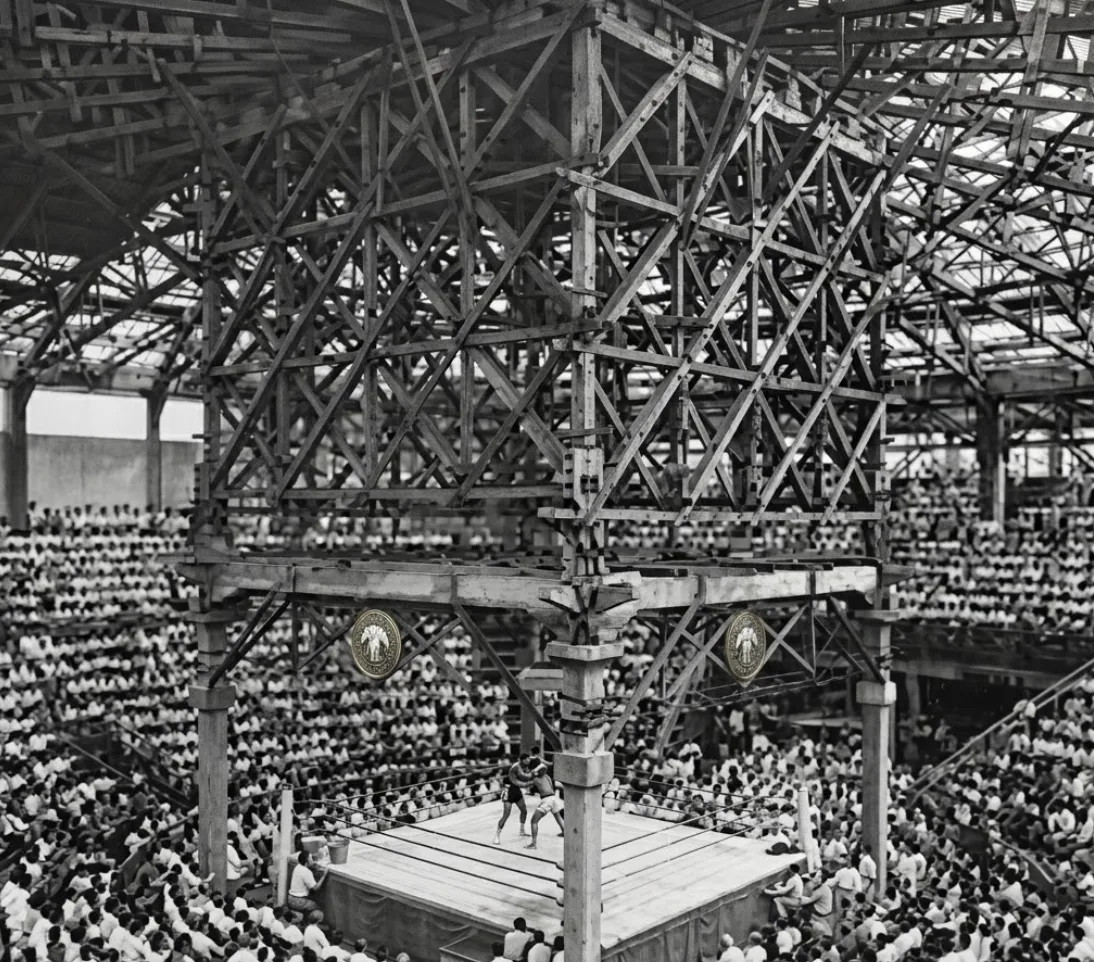
Before you can understand what Samart achieved, you need to understand where he achieved it. Lumpinee Stadium in Bangkok is the most prestigious venue in Muay Thai, the place where the sport's greatest fighters have always measured themselves against each other. Winning a Lumpinee title is the closest thing Muay Thai has to a world championship at the sport's purest level.
The stadium Samart fought at no longer exists. The original Lumpinee Boxing Stadium stood on Rama IV Road in Bangkok, a short walk from Lumphini Park, from 1956 until its final fights on 8 February 2014. It was the world's first dedicated Muay Thai stadium and the first to be built with a full roof. The site has since been absorbed into One Bangkok, one of the largest urban redevelopment projects in the city's history. The sport's most sacred address is now a construction site.
The new Lumpinee is on Ram Inthra Road, and the tradition carries on. But what Samart built, he built in the old one. During the 1970s and 1980s, the competition there was fierce, the standard was extraordinary, and the fighters who dominated were doing so against the deepest talent pool the sport had ever produced. There were no soft paths to a title. Every fighter you beat had beaten someone else worth knowing about.
This context matters because Samart's achievements at Lumpinee were not accumulated against weak opposition. He was winning, in dominant fashion, against the best fighters of his generation, in the toughest environment the sport has ever had.
Who Was Samart Payakaroon?
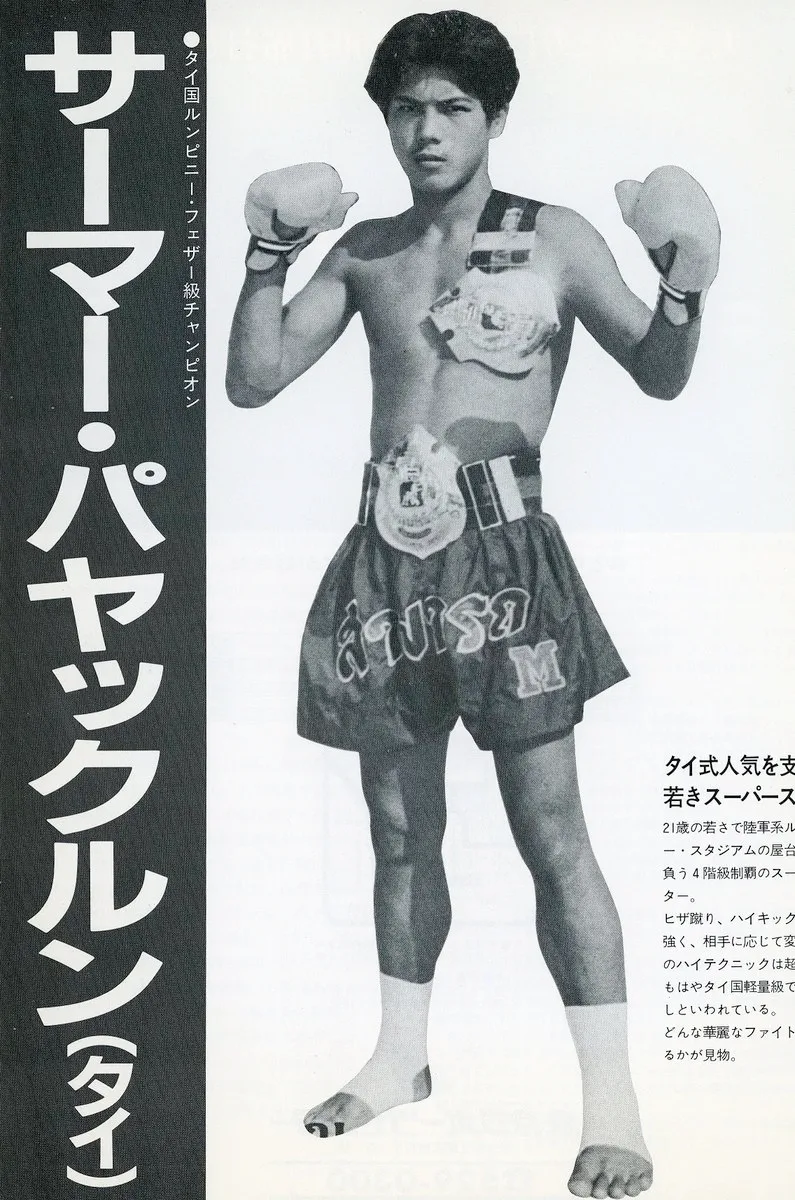
Samart Payakaroon was born in 1962 and began fighting professionally in his early teens, which was and remains standard practice in Thailand for fighters who start young. He rose through the divisions at Lumpinee, and became one of the rare fighters in the sport's history to win titles across multiple weight classes at the same venue. That achievement alone would place him in the upper tier of any all-time conversation.
His style was not built on power or aggression. Samart fought with technical precision, a southpaw stance, and a ring intelligence that made opponents feel consistently one step behind, even when they had physical advantages over him. He was what the Thais call Muay Femeu : the high-IQ fighter, the thinking boxer.
In an era when Muay Thai was producing extraordinary talent and the competition at Lumpinee was genuinely fierce, Samart's ability to dominate the way he did provides the foundation for his reputation. He was not accumulating wins against easy opposition. He was winning cleanly against the best available fighters of his generation.
The Style That Set Him Apart
To understand what made Samart special, it helps to understand what the average Lumpinee fight in the 1980s looked like. It was physical, aggressive, and built on forward pressure. Fighters who could absorb damage and maintain momentum won consistently. The mental and physical toughness required was extraordinary.
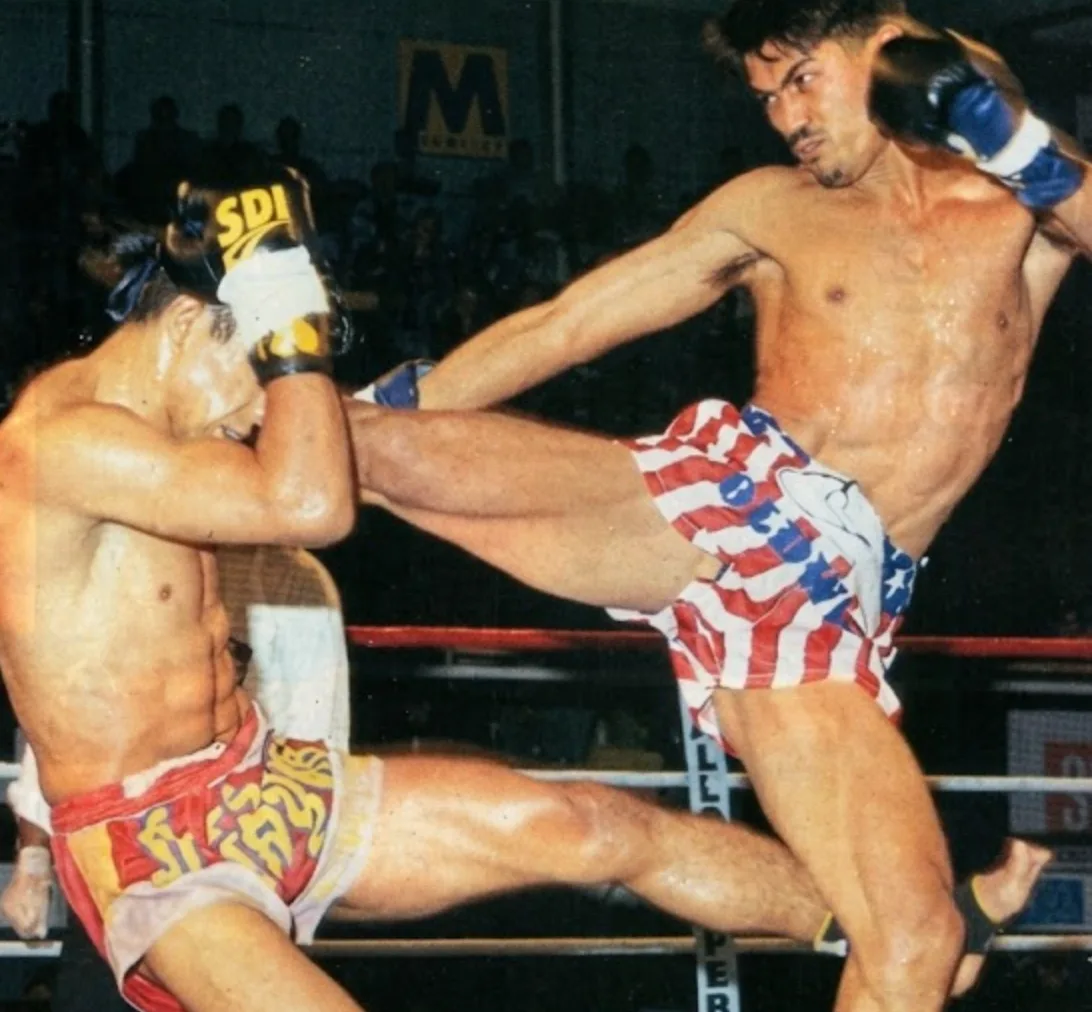
Samart fought differently to nearly everyone around him. He was relaxed in a way that looked almost out of place in that environment. His guard was precise, his counters were clean, and he had an exceptional teep that he used to control space in exactly the way the technique is designed to work. He made opponents come to him, answered what they brought, and responded with techniques at angles they had not read.
His southpaw stance was a genuine technical weapon, not just a stylistic quirk. In an era when most fighters trained primarily against orthodox opponents, Samart's mirror-image stance created geometric problems that many opponents were simply not prepared for. Combine that with his technical intelligence and you have a fighter who was, at his peak, as close to unbeatable as the sport gets.
Fights Worth Looking For
Finding Samart's footage requires some work. Search his name on YouTube and look for any clips from Lumpinee Stadium from the late 1970s through the 1980s. The video quality will be rough, the lighting dim, the commentary in Thai. Worth every minute.
Credit: Muay Thai Scholar
Look specifically for his fights in the lighter weight classes where his technique was most fully developed. There are clips that show his teep-into-counter combinations working at a level that puts him in a completely separate category from his contemporaries. There are also moments where his counter timing is so clean that it looks predetermined rather than reactive.
He also fought Dieselnoi Chor Thanasukarn, the dominant figure of that era who beat almost everyone put in front of him through sheer physical presence and forward pressure. That matchup is the kind of historical collision that demonstrates both the quality of competition at the time and what Samart was capable of when tested at the highest level. Search for it. It tells you more about both fighters than any description can.
The Boxing Crossover
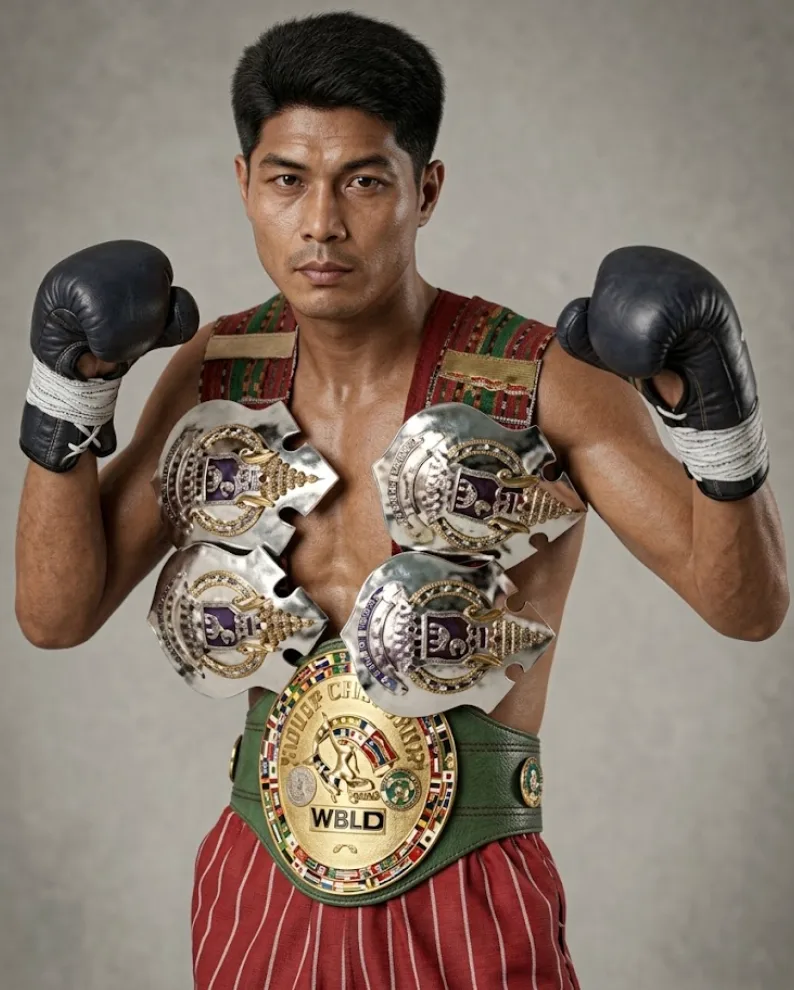
What separates Samart from most legends of the sport is what came after Muay Thai. In an era when very few Thai fighters made serious moves into professional boxing, Samart did, and he succeeded. He won the WBC super bantamweight championship, becoming one of the handful of fighters in history to claim world titles in two different combat sports.
The crossover demonstrated that his technical foundation was not Muay Thai-specific. The footwork, the timing, the ring craft that made him exceptional in one sport translated, with adaptation, into another. That versatility is rare at any level of combat sports. At the elite level, it is almost without precedent.
The boxing achievement is part of why Samart gets the word "greatest" from people who have followed both sports. Not because boxing is more important than Muay Thai, but because excelling in both at world title level demonstrates a skill set that transcends the specific rules of either sport.
Why He Never Fully Got His Due
The timing of Samart's career is the biggest factor. He reached his peak in an era before global audiences existed for Muay Thai. The sport was beloved inside Thailand, but outside the country its reach was minimal. The footage did not circulate internationally, the fights were not broadcast globally, and the stories stayed within a community that was not yet worldwide.
By the time Muay Thai found its international audience, through Buakaw's K-1 success, through Saenchai's extraordinary longevity, through the rise of ONE Championship, Samart had been retired for years. A new generation of fans discovered the sport through people who were still active and available to watch. Samart became a name that the knowledgeable mentioned and the newcomers then had to go searching for.
He is also now a recognisable figure in Thai culture beyond the sport, with a career that extended into other areas of public life after fighting. That broader recognition in Thailand does not always translate to the international Muay Thai community, where people are finding him for the first time through forum posts and recommendation threads rather than through cultural osmosis.
Go looking for him. The footage is limited but it is there, and what survives is enough to understand what the conversation is about. Muay Thai has a long history and most of it predates easy access. Part of becoming genuinely knowledgeable about the sport is learning to look beyond the current champions and find the people who built what exists today. Samart Payakaroon is near the top of that list, and the discovery is worth making.
Samart is still very much alive, and still very much in the sport. He runs a gym in Sai Mai, Bangkok, where he passes on a lifetime of Muay Thai knowledge to the next generation of fighters. The man who redefined what the sport could look like is in a gym every day, building the people who will carry it forward. If you are ever in Bangkok and serious about the art, you already know what to do.
Frequently Asked Questions
Who is Samart Payakaroon?
Samart Payakaroon is a Thai Muay Thai legend born in 1962 who won multiple Lumpinee Stadium titles across different weight classes during the 1970s and 1980s. He then crossed into professional boxing and won the WBC super bantamweight world title, making him one of the few fighters in history to hold world championships in two different combat sports.
Why is Samart Payakaroon considered one of the greatest Muay Thai fighters?
Samart is considered among the greatest because of his technical precision, ring intelligence, and ability to dominate opponents across multiple weight classes at Lumpinee Stadium, the most competitive venue in the sport. His southpaw style, exceptional teep, and counter-timing were unlike anything his contemporaries could consistently solve.
What style of Muay Thai did Samart Payakaroon fight?
Samart was a Muay Femeu fighter, meaning a technically sophisticated, high-IQ stylist rather than an aggressive forward-pressure fighter. He controlled distance with his teep, fought with composure, and won through timing and placement rather than attrition. His southpaw stance added geometric difficulties that most opponents of his era were not prepared for.
Did Samart Payakaroon fight in boxing as well as Muay Thai?
Yes. Samart crossed into professional boxing after his Muay Thai career and won the WBC super bantamweight world championship. This made him one of the extremely rare fighters to win world titles in two different combat sports. His technical foundation transferred across the different rules, which speaks to the quality of his fundamental ring craft.
Where can I watch Samart Payakaroon fight footage?
Samart fought in an era before widespread video documentation, so footage is limited but available. Searching his name on YouTube will bring up clips from Lumpinee Stadium and television broadcasts from the late 1970s and 1980s. The quality is rough by modern standards but the technique is worth studying. His boxing footage is generally easier to find.
What were Samart Payakaroon's titles and accomplishments?
Muay Thai, Lumpinee Stadium titles: Pinweight (102 lbs) champion 1980, Mini Flyweight (105 lbs) champion 1980, Super Flyweight (115 lbs) champion 1981, Featherweight (126 lbs) champion 1981. One of the very few fighters in the sport's history to win four Lumpinee titles across different weight classes. Boxing: WBC World Super Bantamweight champion 1986, won by KO in the fifth round over Lupe Pintor. Professional boxing record: 21 wins (12 KO), 2 losses. Awards from the Sports Writers Association of Thailand: Fighter of the Year 1981, 1983, and 1988; Fight of the Year 1981 (vs Mafuang Weerapol), 1982 (vs Dieselnoi Chor Thanasukarn), and 1988 (vs Panomtuanlek Hapalang). The Ring magazine Progress of the Year 1986.