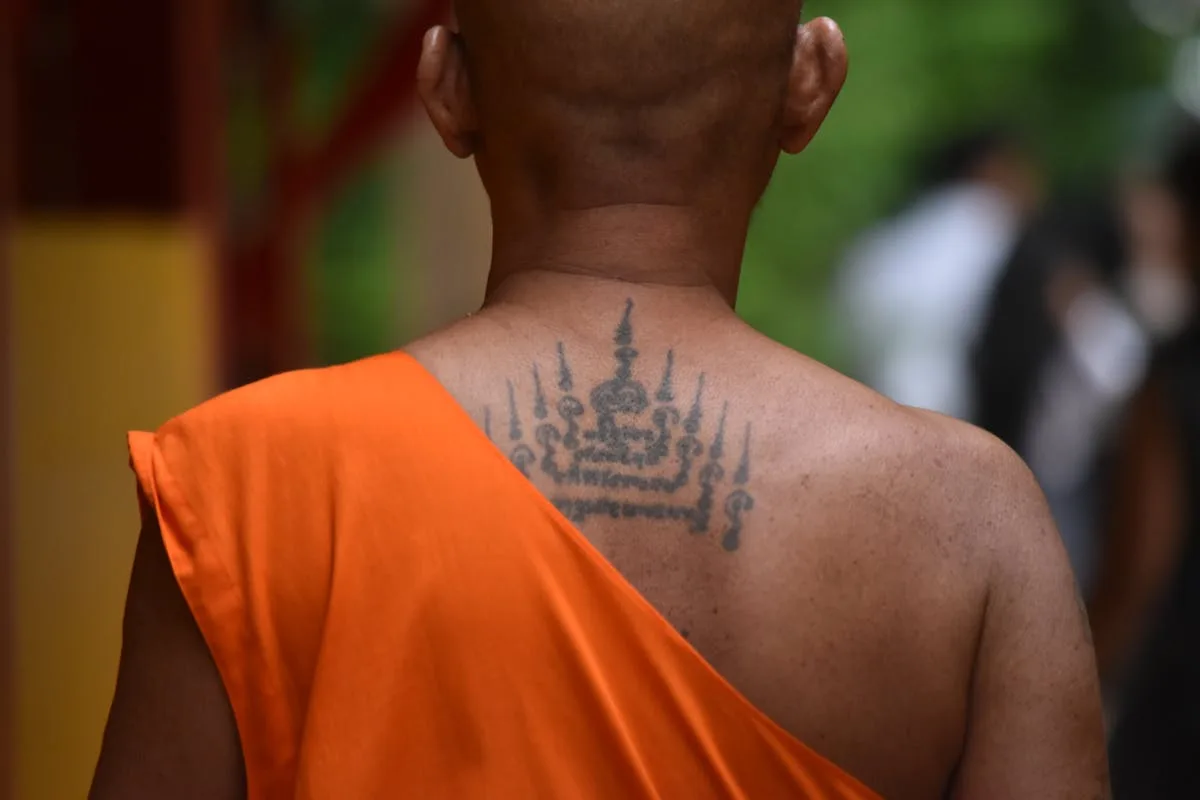
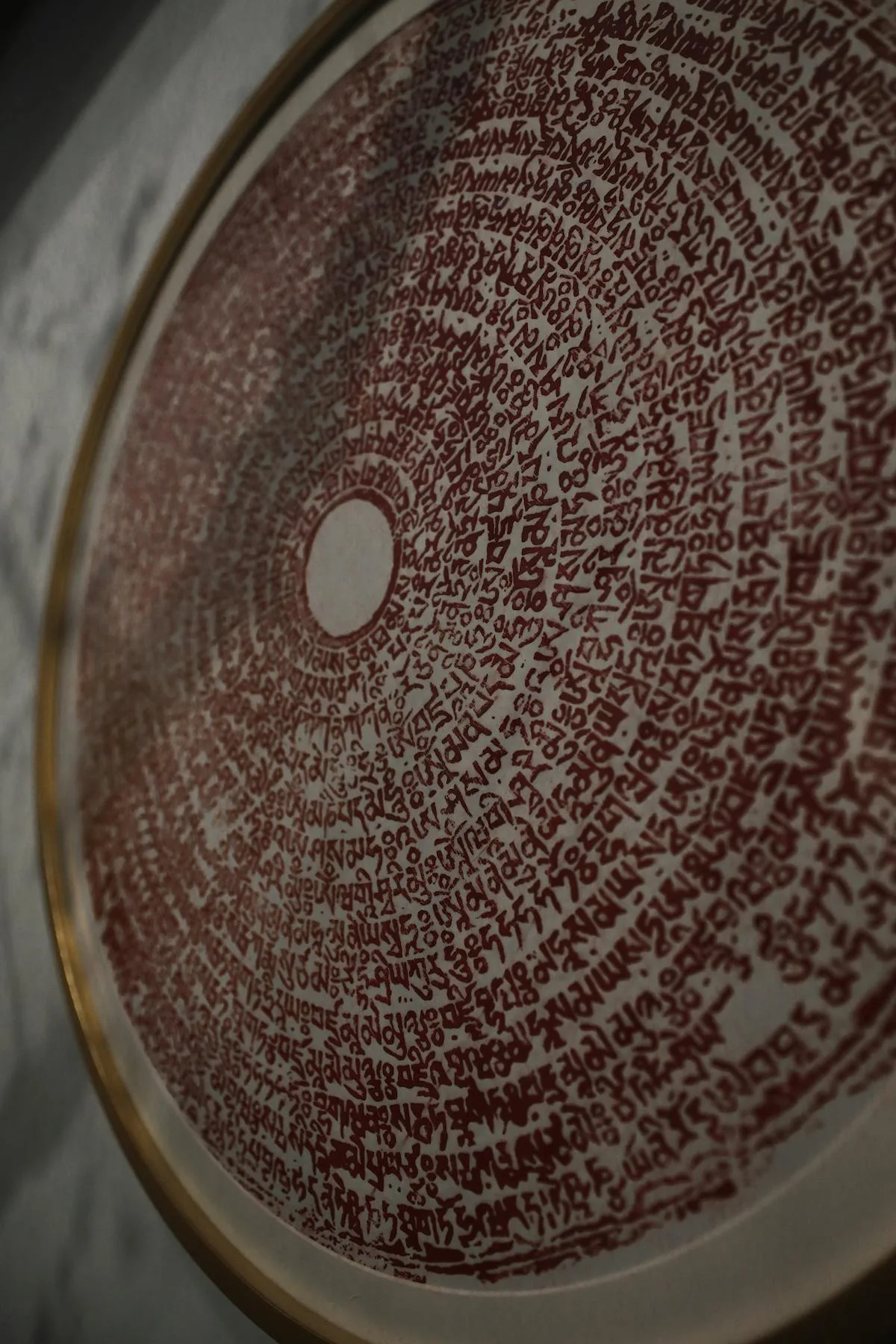
Long before the gloves and the ring, before the stadiums and the broadcast deals, fighters went to the temples. They sat before an Ajahn , a sacred tattoo master, and received markings that were not chosen for how they looked. They were chosen for what they did. The patterns driven into skin with a long bamboo or steel rod were prayers written in ancient Khmer script, geometric figures carrying specific spiritual purpose. Not decoration. Armour.
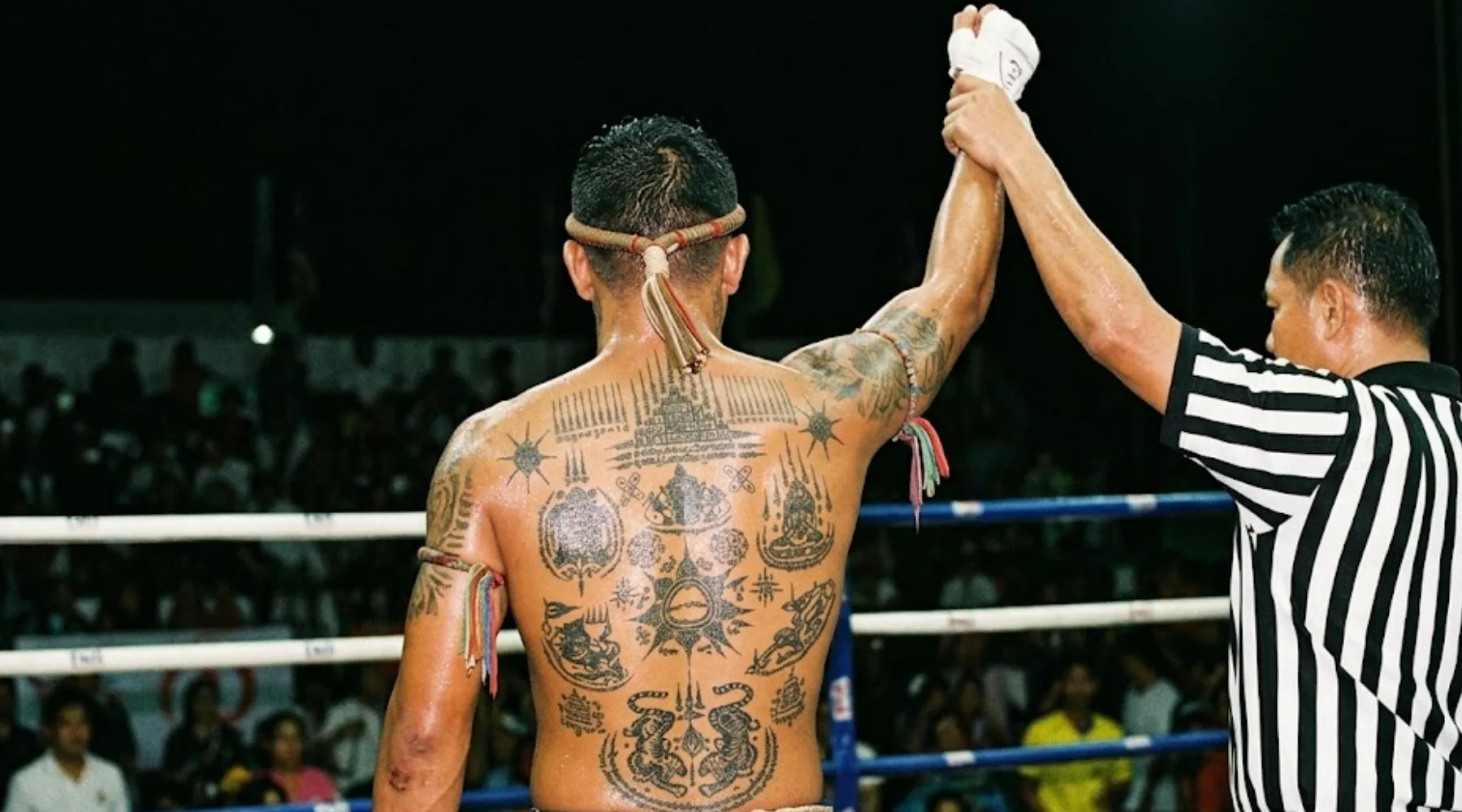
Sak yant is one of the oldest living traditions in Southeast Asian culture, and it runs directly through the heart of Muay Thai. The tigers, the geometric rows, the sacred scripts across the shoulders and down the spine. Every pattern is a sentence. Every tattoo is a commitment.
Understanding what these tattoos are, where they come from, and what fighters believe they do is to understand something fundamental about the relationship between this sport and the culture that produced it. The tradition is not fading. It is spreading. And most of the people encountering it for the first time have no idea what they are actually looking at.
Two Words That Carry Centuries
Sak means to tap, to tattoo. Yant comes from the Sanskrit yantra , a geometric or symbolic diagram used as a tool for meditation and spiritual focus. Together they describe a specific form of sacred tattooing performed by a monk or an Ajahn using a traditional hand-poke technique, a long metal or bamboo rod dipped in ink and tapped rhythmically into the skin.
The designs are not ornamental in origin. Each pattern carries a specific set of prayers and intentions. The five rows of Hah Taew , one of the most recognised yants in Thailand, each contain a blessing addressing a different aspect of the wearer's life. Protection from danger. Good fortune. Charisma and appeal. Freedom from bad luck. Power and authority.
The Ajahn who applies the tattoo is considered to channel spiritual power through the process. The act of tattooing is itself a ritual, accompanied by prayer, conducted with specific preparation by the person receiving it. The needle is the final step. The intention is the whole thing.
The Tiger and What It Carries
The Suea yant, the tiger, is the design most associated with Muay Thai fighters. It represents courage, power, and authority. Two tigers facing each other is among the most recognisable sak yant designs in existence and carries a reputation as one of the most potent protection yants available.
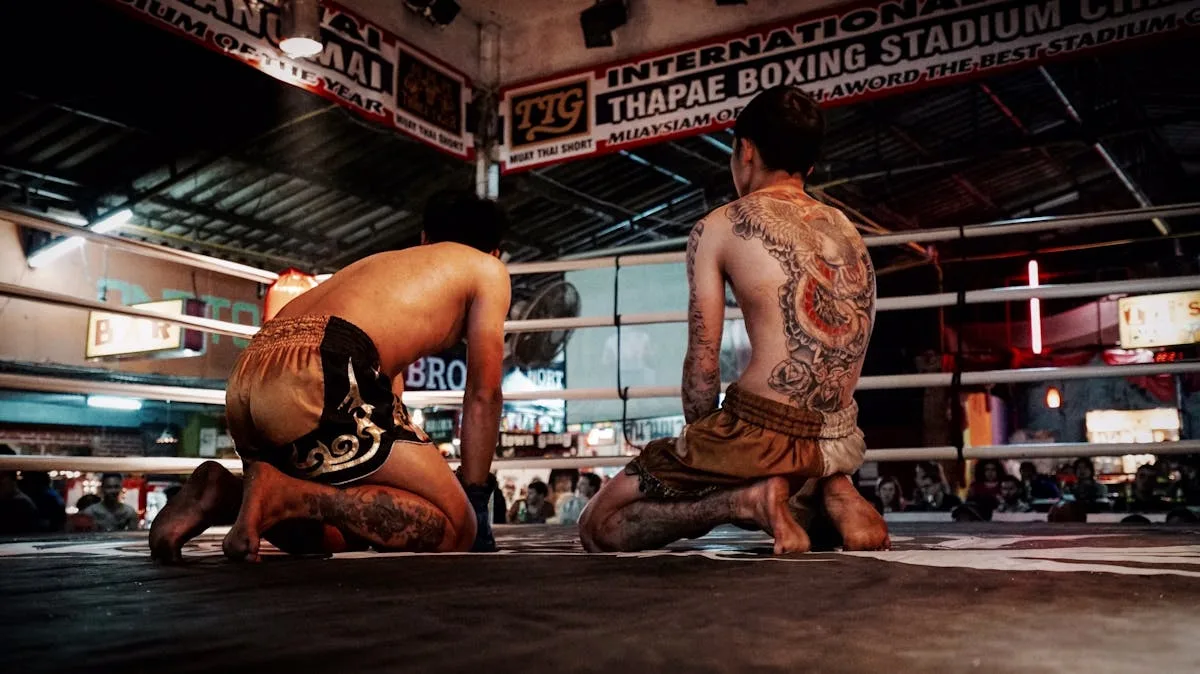
The tiger is not chosen for its visual impact, though the visual impact is significant. It is chosen because a fighter stepping into a ring needs something deeper than technique and conditioning to draw on. The tattoo is part of that psychological preparation. It is a commitment made in pain, permanent and visible, that says something about what the fighter is willing to do and endure.
Other designs carry different purposes. Paed Tidt , the eight directions, provides protection from all sides. Hanuman , the monkey god, bestows strength and invincibility. The Unalome , a spiral leading to a straight line, represents the path to enlightenment. Each one is chosen with intent, not aesthetics.
The Process Is Not Optional
Receiving a sak yant from a traditional Ajahn is not simply a transaction. It comes with obligations. Each design carries a set of kaathaa , sacred rules the wearer is expected to follow in order for the yant to retain its power.
These rules vary by design and by the Ajahn who performs the work. Common prohibitions include not speaking badly of your mother, not eating certain foods before important events, behaving with specific respect towards others. The rules are part of the spiritual contract.
This is one of the reasons that serious practitioners treat the tradition with care. A sak yant received carelessly, without understanding the obligations attached to it, is viewed as fundamentally different from one received with proper preparation and genuine respect.
The Tension Around the Tradition
Sak yant has spread far beyond Thailand's borders, carried outward by the global growth of Muay Thai and a broader interest in Southeast Asian culture. This spread has created genuine tension within the tradition.
The practice is sacred. When it is reproduced as a design choice, selected from a catalogue without knowledge of the prayers and obligations attached to it, something essential is lost. The geometric patterns become aesthetic without context. The commitment becomes decoration. That gap matters to the people for whom the tradition is alive.
The most respectful approach for anyone outside the tradition who feels drawn to it is straightforward. Go to Thailand. Find a recognised Ajahn with genuine lineage. Undergo the process properly. That means preparation, understanding the rules attached to your chosen design, and receiving the tattoo in a traditional context. The design is not the point. The intention behind it is.
The Ink That Still Holds
Walk into a serious Muay Thai gym in Thailand and you will see sak yant on the older fighters, on the trainers, on the men who have been in the sport long enough to understand what they are carrying.
It is not universal. Plenty of great fighters have trained and competed without it. But the tradition persists because it addresses something that training and technique cannot fully reach. The space between preparation and performance, where composure either holds or does not, is where the yant lives.
The tradition is at minimum five centuries old. It is still being tapped into skin above the Bangkok traffic, still being carried into rings around the world by people who believe that the oldest forms of protection are sometimes the most reliable ones. That is not superstition. That is faith in something proven by time. And in Muay Thai, time is the only standard that matters.
Frequently Asked Questions
What are sak yant tattoos?
Sak yant are sacred tattoos from Thai and Southeast Asian tradition, applied by a monk or a trained Ajahn using a hand-poke technique, a long metal or bamboo rod dipped in ink and tapped rhythmically into the skin. Each design carries specific prayers and intentions written in ancient Khmer script. They are spiritual commitments, not just decorative ink.
What is the most popular sak yant design?
The Hah Taew, five rows of sacred script, is one of the most recognised sak yant designs in Thailand. The twin tigers, known as Suea yant, are the design most associated with Muay Thai fighters, representing courage, power, and protection. The Paed Tidt, an eight-direction geometric design, provides protection from all sides and is widely worn by fighters and travellers alike.
Do Muay Thai fighters actually believe in sak yant?
Many do, particularly Thai fighters for whom the tradition is part of their cultural and spiritual background. The tattoo is considered a genuine spiritual commitment, not a performance or aesthetic choice. Walk into a serious Muay Thai gym in Thailand and you will see sak yant on the older fighters and trainers, people who have been in the sport long enough to understand what they are carrying.
Can foreigners get sak yant tattoos?
Yes, but the tradition asks that it be done properly. The most respectful approach is to go to Thailand, find a recognised Ajahn with genuine lineage, and undergo the process as it was intended, with preparation, an understanding of the rules attached to your design, and the tattoo applied in a traditional context. Receiving one as a design choice without understanding the obligations misses the point of what it is.
What are the rules that come with a sak yant tattoo?
Each sak yant design comes with a set of kaathaa, the sacred rules the wearer is expected to follow for the yant to retain its spiritual power. These vary by design and Ajahn, but common obligations include not speaking badly of your mother, behaving with respect towards others, and observing specific prohibitions before important events. The rules are considered part of the spiritual contract, not optional guidelines.