The gyms open before the sun comes up. By five in the morning, somewhere in Bangkok, a fighter is already skipping rope on cracked concrete, the rhythmic slap of the cable marking time above the hiss of early traffic outside. The heavy bags hang still for just another minute. Then the pads come out, and the sound of leather on leather starts rising through the heat.
That is Muay Thai. Not the ruleset, not the technique catalogue. The discipline of people who choose to be there at five in the morning, in the humid dark, doing the same thing they did yesterday and the day before that.
Thailand's national sport and martial art was forged over centuries, not in gyms or academies but on the battlefields of Southeast Asia. It is one of the most complete striking systems in the world, and right now it is growing faster than at any point in its history. Here is what you need to know about it.
Eight Limbs. One of the Most Complete Striking Arts Ever Developed.
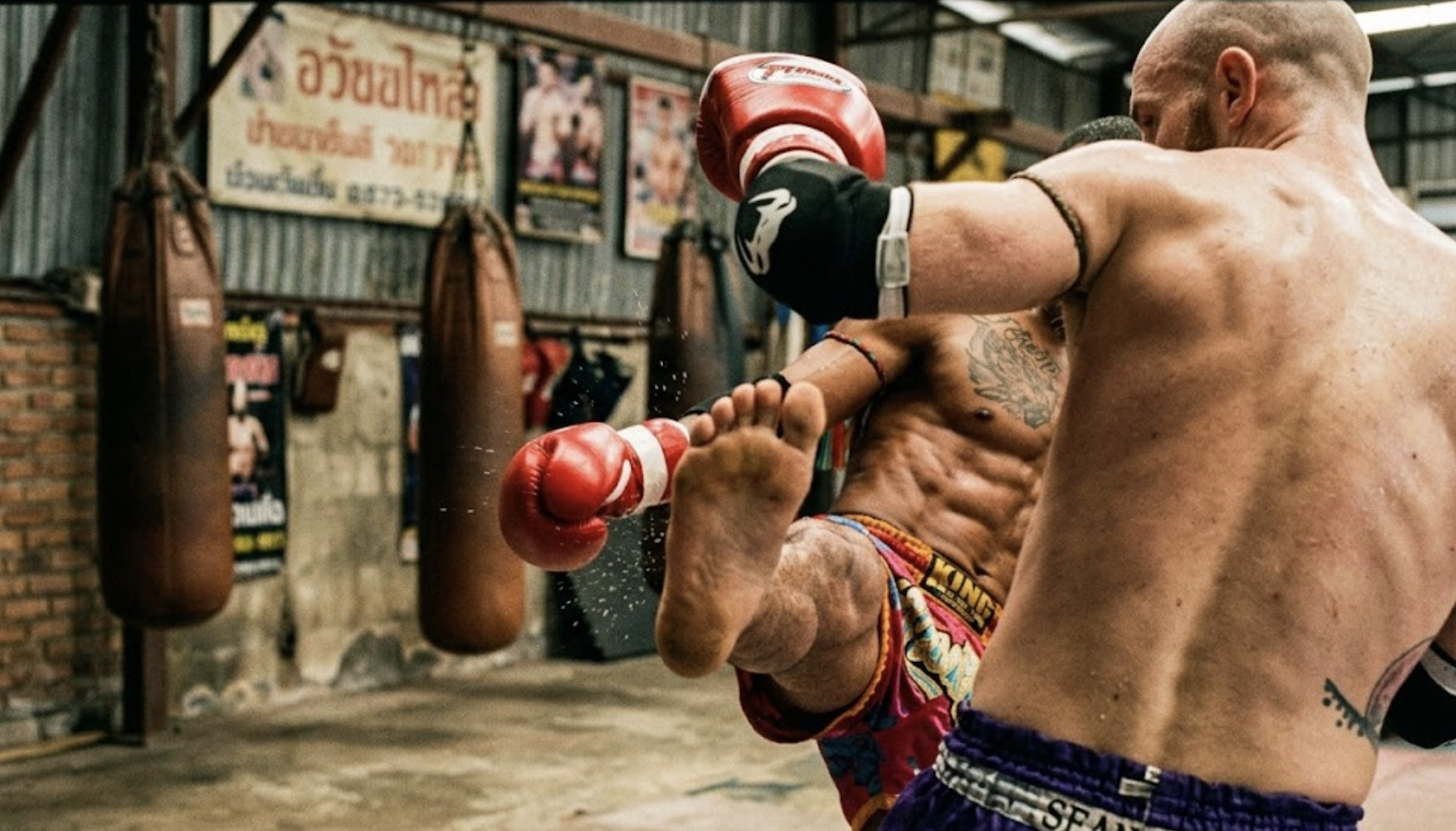
Most combat sports restrict what you can use. In Muay Thai, there is no such restriction. Eight points of contact. The fists, the elbows, the knees, and the shins. Every one of them a weapon, every one of them trained with the same dedication.
The elbows are what newcomers notice first. Thrown sharp and close, they can open a cut in a single exchange and they demand a different kind of respect from the opponent. Then there are the knees, delivered from the clinch or on the move, the kind of technique that tests your conditioning and your willingness to stay in tight. And the low kick, driven with the shin hard into the thigh, a weapon that compounds with every round.
What makes the system remarkable is how all eight weapons work in combination. A fighter who understands the interaction between a sharp teep and a high elbow, between a body kick and a clinch entry, is doing something closer to chess than brawling. The Thais call the most sophisticated practitioners Muay Femeu. High-IQ kickboxers. It is the highest compliment in the sport.
Five Centuries of Refinement
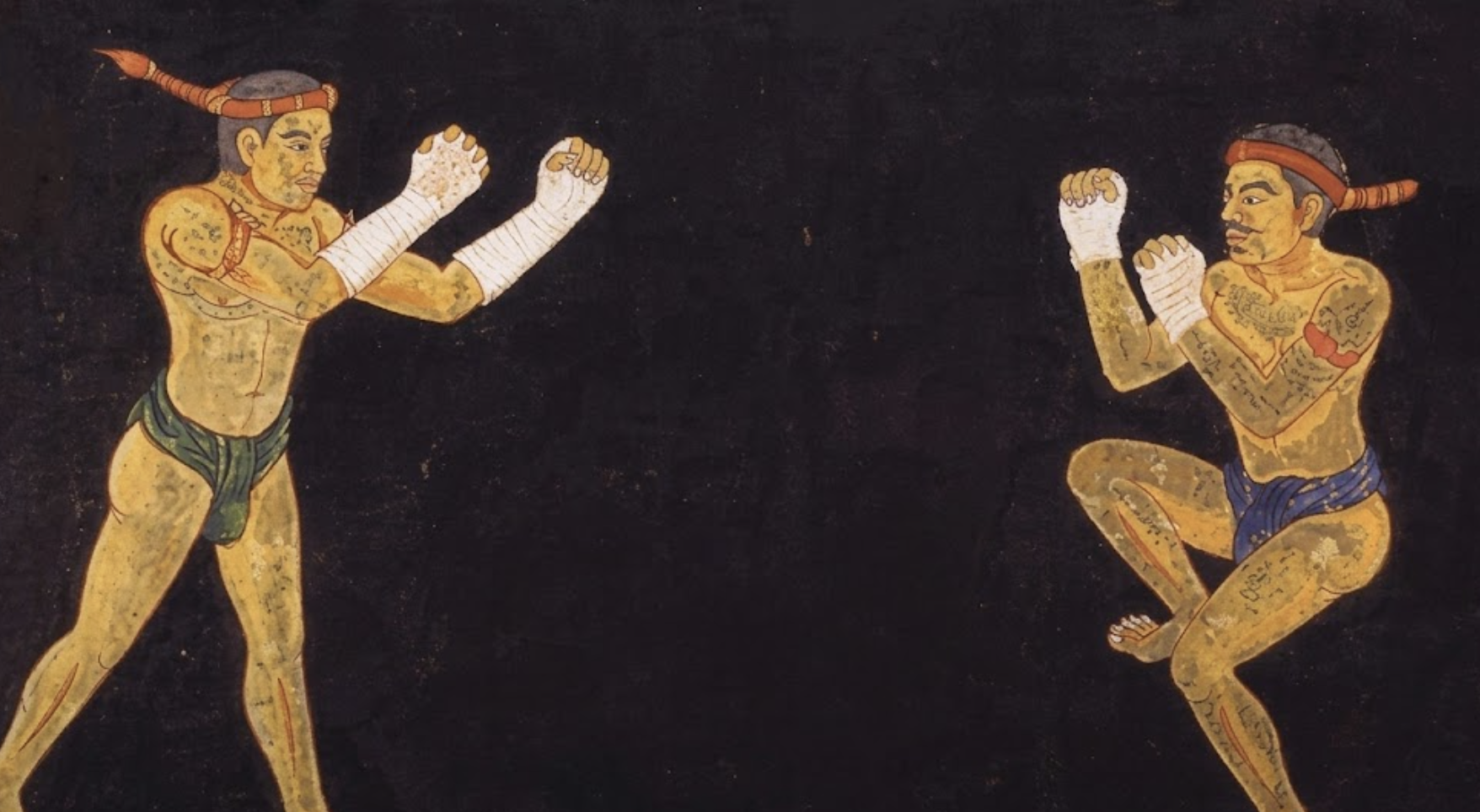
Muay Thai did not start in a ring. The earliest forms of the art, known collectively as Muay Boran, were developed by soldiers as a close-range battlefield system. Weapons could be lost. Training could not. The techniques that survived were the ones that worked when everything else had failed.
By the late nineteenth and early twentieth century, the sport began to formalise. Rings replaced open spaces. Gloves replaced hemp rope wrapped around the knuckles. Rules were introduced, stadiums were built, and the sport that emerged from all of that history became what we watch today at Lumpinee, Rajadamnern, and on ONE Championship cards broadcast around the world.
What survived the transition from battlefield to stadium is the hardness of the thing. Muay Thai is not a martial art that softened when it became a sport. It got refined, not diluted.
It Will Change You
The people who train Muay Thai are not all fighters. Most never compete. They come through the door for a hundred different reasons, and almost all of them find something they did not expect to find.
The gym is a community in the truest sense. You will be on your second week and a national champion will hold pads for you without a second thought. You will be exhausted on a Tuesday morning and someone you have never met will push you through the last round. The culture inside a Muay Thai gym does not tolerate gatekeeping. You earn respect by showing up and working hard. That is the whole thing.
Physically, the transformation is obvious. The mental shift is the one people talk about. Muay Thai rewards the long game. There is no shortcut, no cheat code. You get back exactly what you put in, measured honestly in sweat and time. For a lot of people, that kind of clarity is the first real discipline they have ever encountered.
The Ceremony That Matters
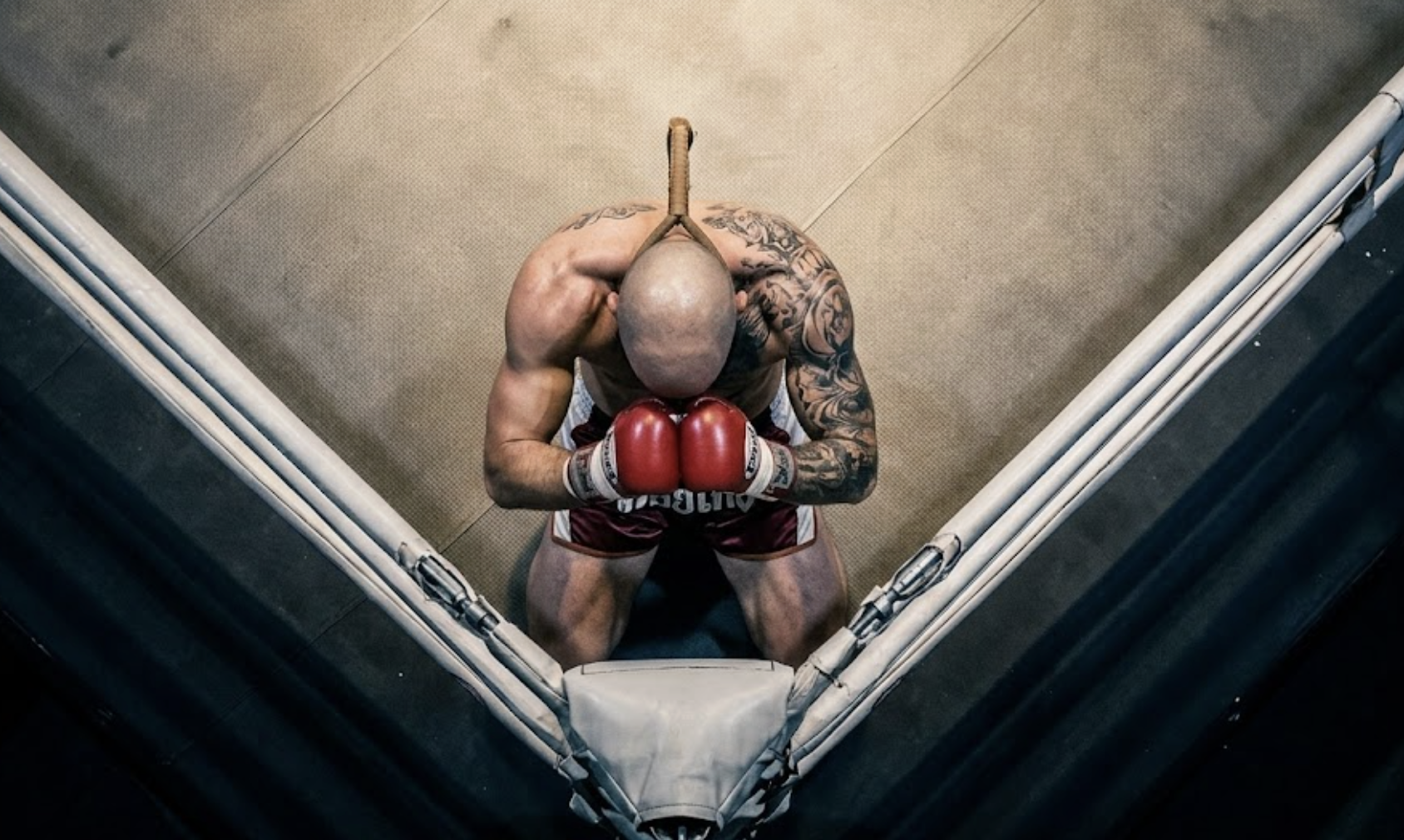
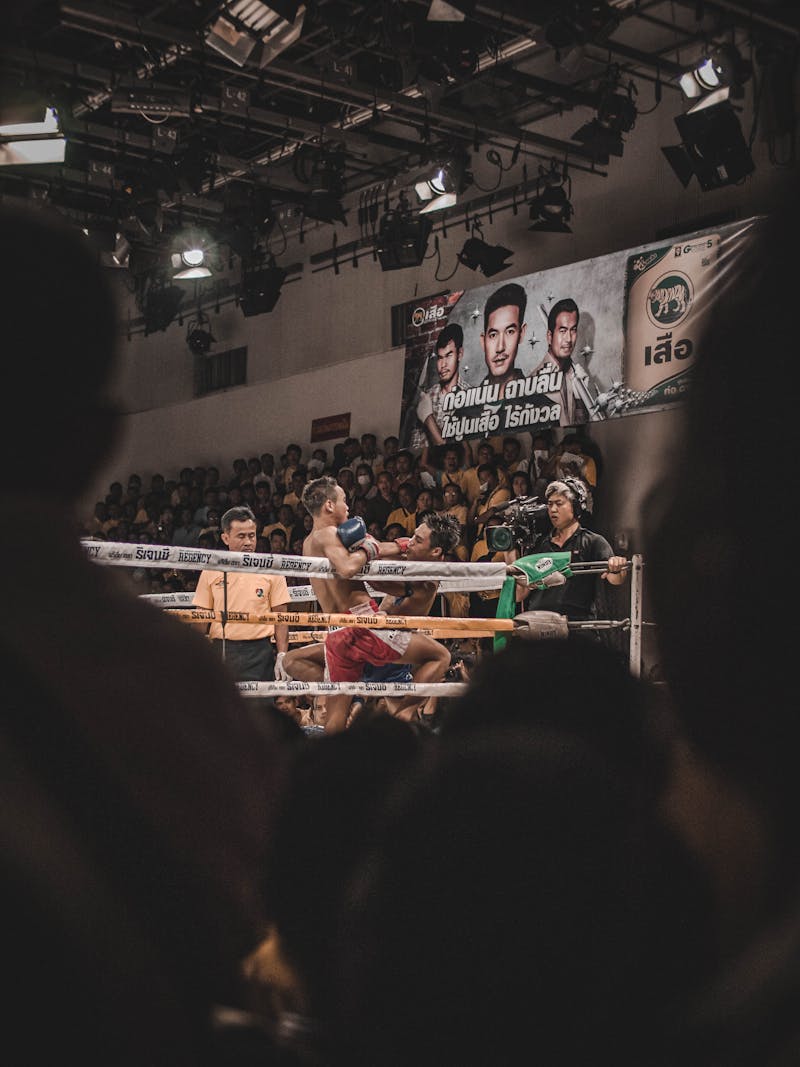
Before every fight, the fighters perform the Wai Kru Ram Muay. They circle the ring, bow to the corners, and perform a slow, deliberate ceremony of respect. It honours their trainer, their gym, their family, and the art itself. The Sarama, the traditional Thai music played throughout the fight, rises and quickens with the action in the ring.
None of this is decoration. The Mongkon headband, blessed by the fighter's trainer before the bout. The ritual. The music. These are not performance. They are a thread connecting the fighter standing in that ring to every fighter who stood there before them.
The Thais have a phrase for the spirit of the sport. Jai Dee. Good heart. It is not just about being pleasant in the gym. It describes the courage to fight, the honesty to train when it is hard, the humility to lose and come back. You cannot buy jai dee. You can only earn it by living it.
The Door Is Open
Muay Thai is growing. On every continent, in gyms that started with one bag and a rented room, more people are discovering what fighters in Thailand have always known. The sport that once lived exclusively inside Thai culture is now a global movement, and it is pulling in people from every background imaginable.
If you have been curious... the door is open. The gyms are not as intimidating as they look from the outside. The people inside them are, overwhelmingly, some of the finest you will ever meet. And somewhere, probably not far from you, there is a trainer who will wrap your hands, show you the teep, and put you on something that you will carry for the rest of your life.
Step through the door. See what happens next.