
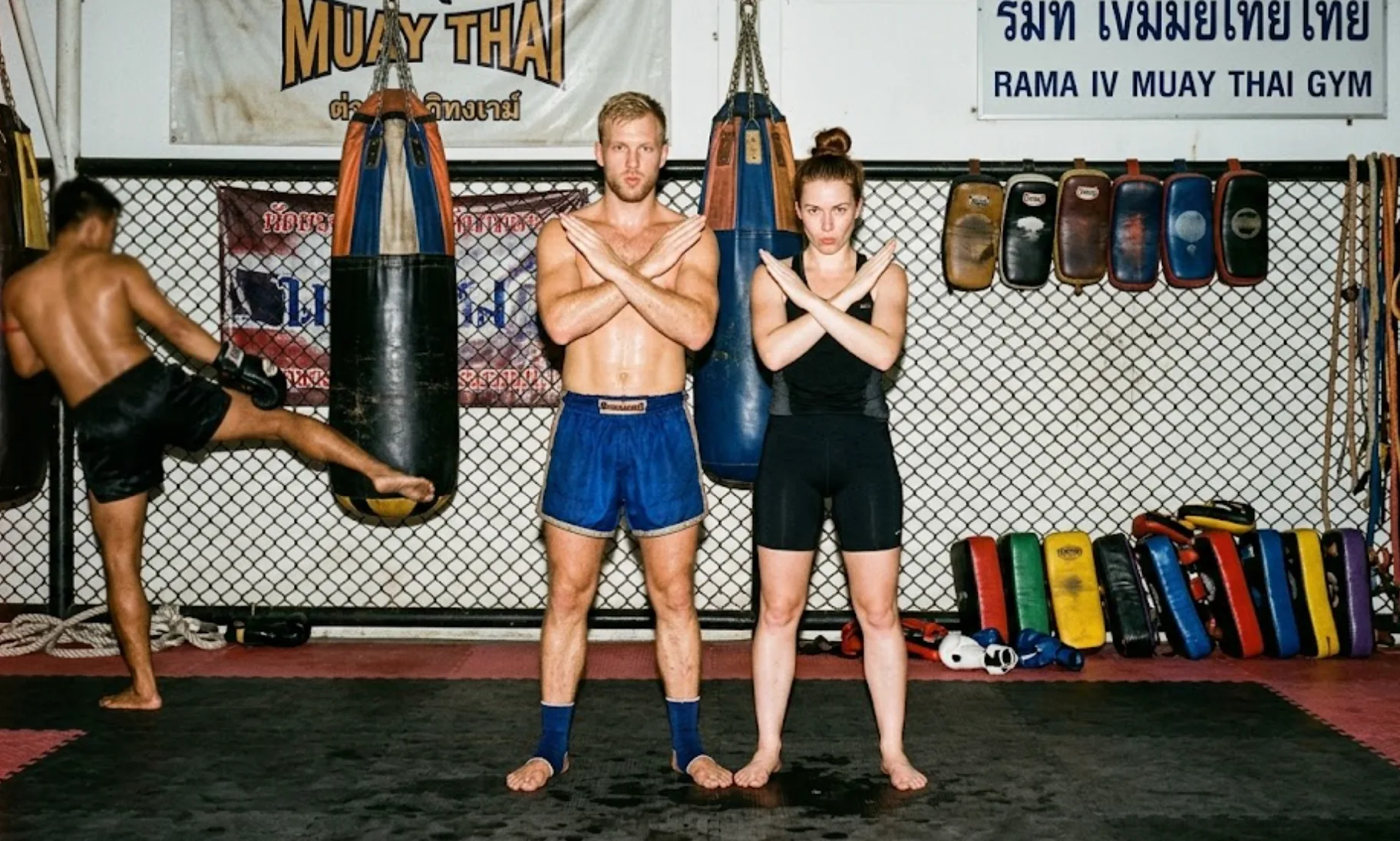
There is a question that stops a meaningful number of people from ever walking into a Muay Thai gym. They want to train. They are curious about the sport, drawn to its demands, interested in what it might do for them physically and mentally. But somewhere between the interest and the action sits the assumption that if you train Muay Thai, you are eventually going to have to fight.
That assumption is wrong, and it is worth addressing directly before it keeps anyone else waiting on the pavement outside a gym they should already be training at.
The vast majority of Muay Thai practitioners never compete. In Thailand, where the sport is woven into the culture at every level, you will find gyms full of people who have trained for years with no intention of stepping into a competitive bout. In gyms in Bangkok, London, Sydney, and São Paulo, the non-competitive practitioner is not the exception. They are the majority.
What Fighting Actually Means
It is worth being clear about what "fighting" means in this context, because the word covers more than one thing.
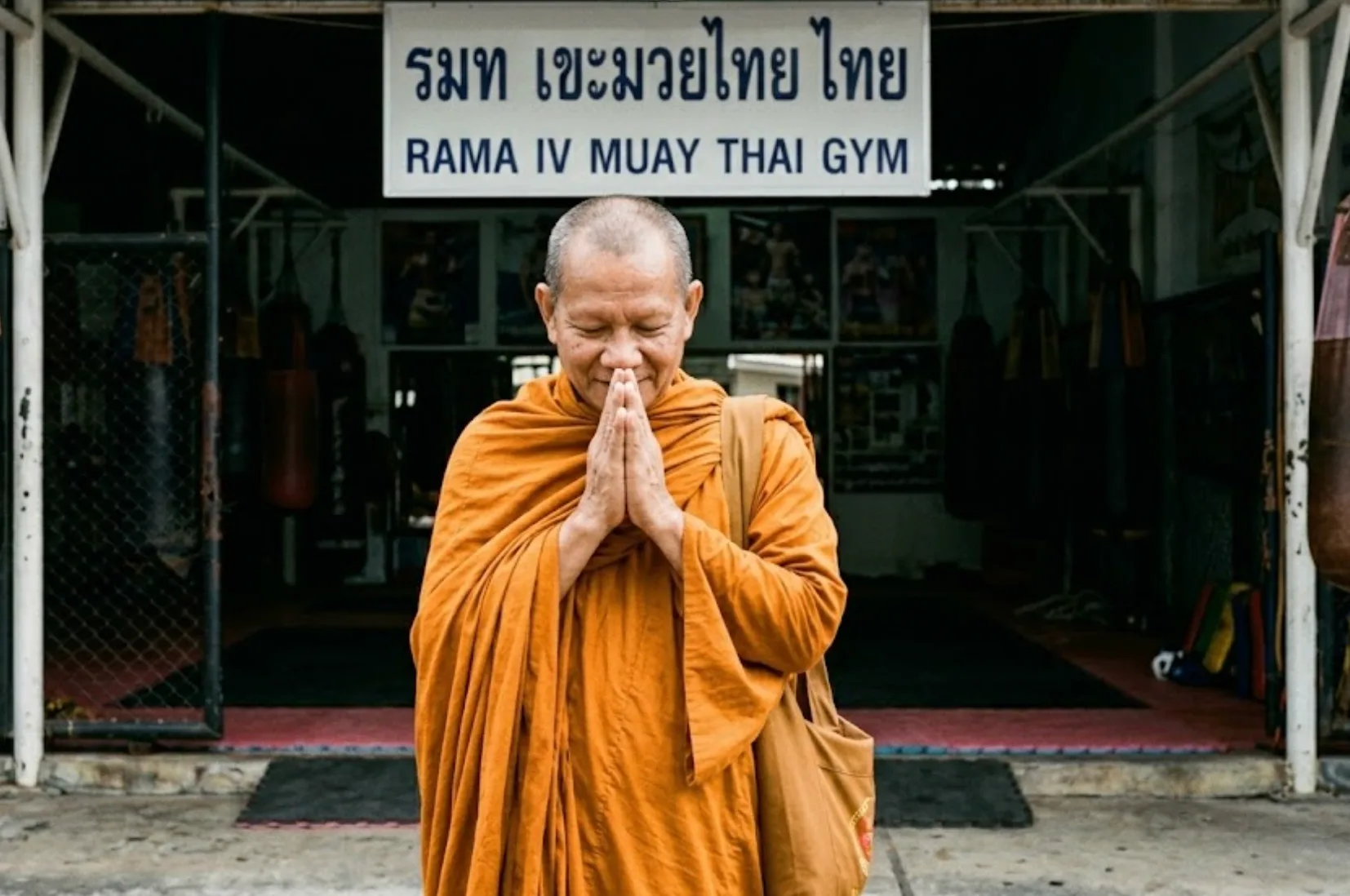
Sparring is partner training inside the gym. You put gloves on, work with a training partner, and apply technique at a level of contact that is usually controlled and mutually respectful. Sparring is where you test what you are learning against a real person who is trying to make it difficult for you. It is not fighting. It is practice. And even sparring is optional, particularly in the early stages of training, in gyms that manage their students sensibly.
Competitive fighting is something else entirely. It means agreeing to a bout, stepping into a ring at an event, and contesting a match against an opponent from another gym. It involves preparation, a weigh-in, a referee, judges, and an audience. It is a deliberate choice made by a specific type of practitioner at a specific point in their development.
You can do one without the other. You can spar regularly without ever competing. You can train for years without ever sparring. The sport accommodates all of it.
Why Most People Train Without Competing
People come to Muay Thai for a wide range of reasons, and fighting is rarely the primary one.
Some come for the fitness. Muay Thai is one of the most complete full-body workouts available, and sessions at serious training intensity produce cardiovascular and body composition results that are difficult to match in a conventional gym. The fitness is real and it is a legitimate reason to train.
Some come for the technical challenge. Learning to strike properly is a genuinely absorbing skill. The mechanics of a good roundhouse kick, the coordination required for a clean combination, the subtle weight shifts in footwork: these take time to develop and they keep developing for years. There is something deeply satisfying about the incremental mastery of a demanding technical skill, and it has nothing to do with whether you ever use it in a competitive context.
Some come for the community. A good Muay Thai gym has a particular culture that is hard to find elsewhere. People working toward something difficult, together, without much room for ego or pretension. The friendships that come out of training are genuine ones, built on shared effort rather than shared circumstance.
Some come because they want to do something that asks something real of them. The sport does not allow you to coast. Every session requires presence and effort. For people who have spent too long in comfortable, low-demand environments, that quality is exactly the point.
None of these reasons require a fight. They are all fully served by training alone.
Finding the Right Gym
Not all gyms are built the same, and this matters if competitive fighting is not your intention.
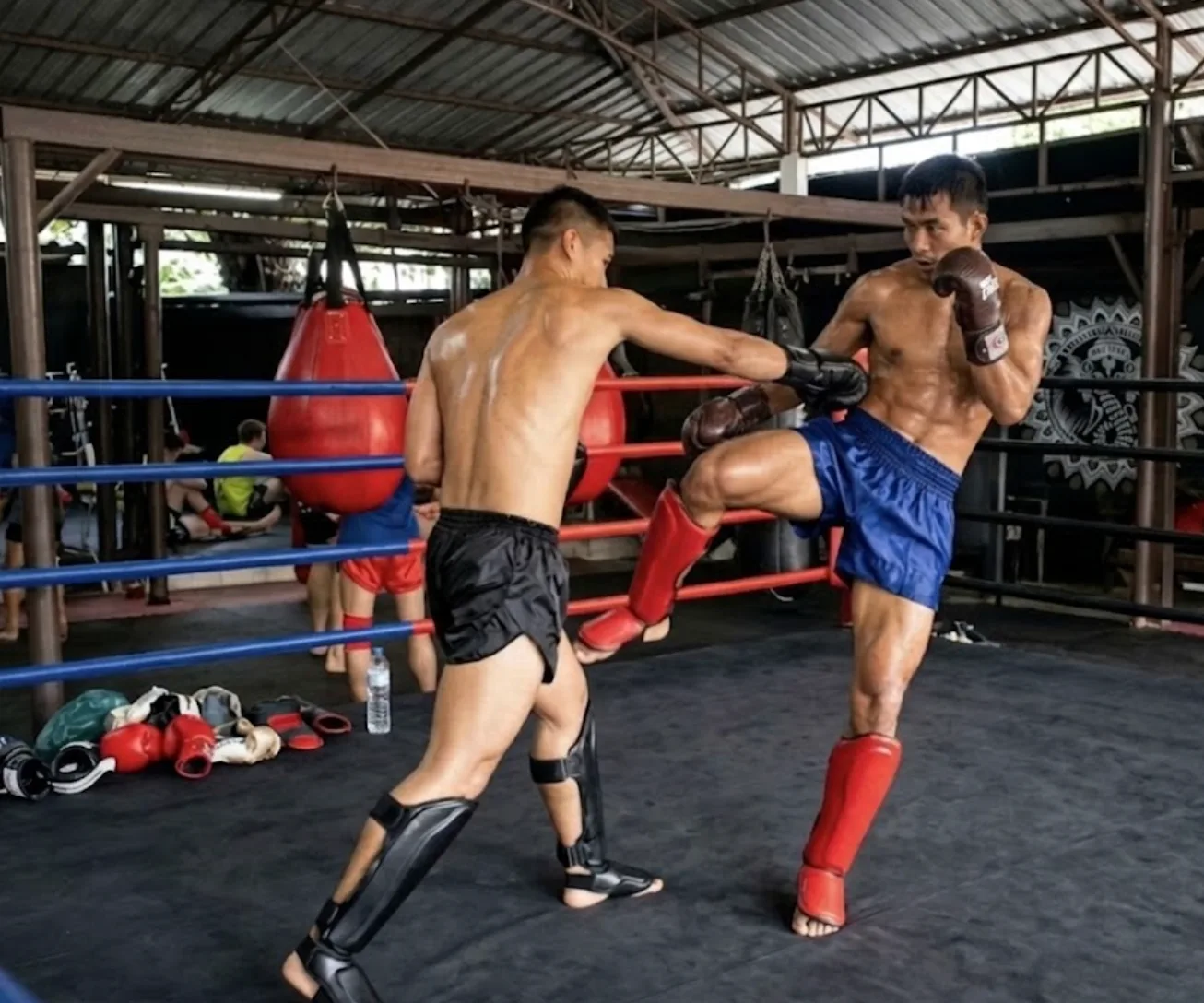
Some gyms are oriented primarily toward producing fighters. Their sparring culture is harder, their sessions are structured around fight preparation, and there is an implicit expectation that serious students will eventually compete. These gyms are excellent if fighting is your goal. They are not necessarily the right environment if it is not.
Other gyms serve a broad mix of recreational practitioners, fitness-focused members, and occasional competitors. Their sparring tends to be more technical and controlled. The culture is welcoming of people who are there for the practice rather than the prize. These gyms are the right choice for most people who ask the question this article is answering.
Ask before you join. What is the gym's sparring culture? Are there classes or groups that cater specifically to recreational or non-competitive members? Is there pressure, explicit or implicit, to progress toward fighting? The answers will tell you what you need to know.
The Sport Is Complete Without It
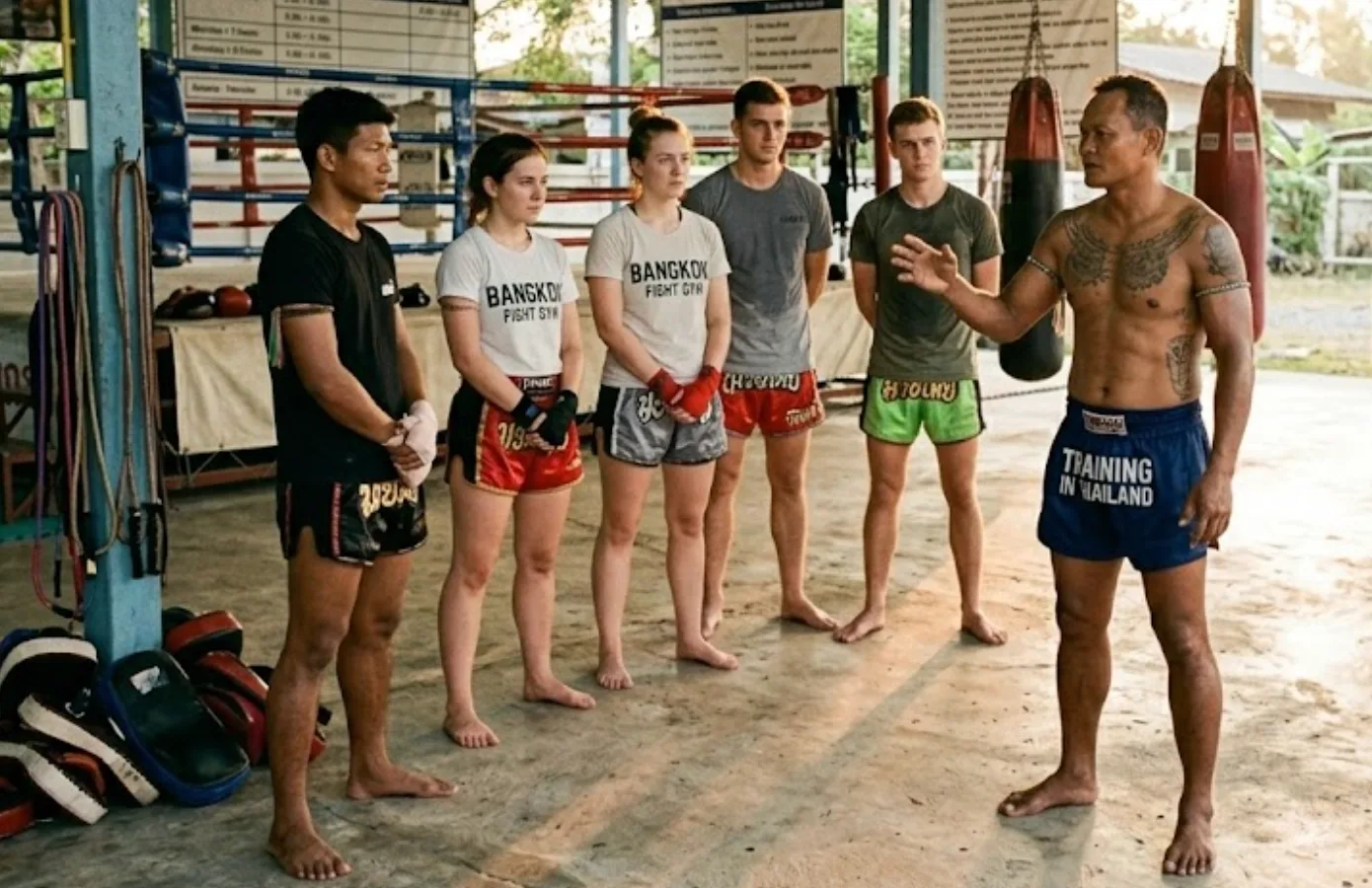
Muay Thai does not require a competitive fight to be fully experienced. The technique, the training, the community, the discipline, the fitness: all of it is available to the person who trains consistently and never fights.
The fighters you see on YouTube are the visible edge of a much larger practice. For every person competing in a stadium in Bangkok or on a card in Manchester, there are hundreds training quietly in gyms around the world who have no intention of doing so. Their experience of the sport is not diminished by that choice.
Show up, train hard, learn the techniques, and come back the following week. The sport will give you what you came for. Fighting is not the point of entry. It is just one possible destination along a journey that most people find more than rewarding enough without it.
Frequently Asked Questions
Do I have to fight to train Muay Thai?
No. The majority of Muay Thai practitioners train without ever competing. The sport offers fitness, technique, community, and personal development regardless of whether you fight. Many gyms cater almost entirely to recreational practitioners. The decision to compete or not has no bearing on the quality of your training or the depth of your experience with the sport.
Will I be pressured to fight at a Muay Thai gym?
At a good gym, no. Some gyms are heavily fighter-oriented and may have a culture that expects students to progress toward competition. Before joining any gym, ask directly about their approach to competitive fighting for recreational members. A gym that respects non-competitive training will have a clear and comfortable answer. Our guide to choosing your first gym covers the right questions to ask when you visit. One that hedges or implies fighting is expected is worth treating with caution. For a sense of what a good first session actually feels like, see what to expect at your first Muay Thai class.
Is sparring the same as fighting in Muay Thai?
No. Sparring is controlled partner training within the gym, typically at reduced intensity, designed to develop technical skills in a live context. Competitive fighting means stepping into a ring to contest a bout against an opponent from another gym in front of an audience, with a judge and referee. You can spar regularly at a gym, or choose never to spar at all, without ever competing in a fight.
What do non-competitive Muay Thai practitioners get from training?
Fitness that is hard to replicate in any other discipline, a technical skill set that builds over years, a community of people who share the practice, and the specific mental qualities the sport develops, composure under pressure, discipline, incremental improvement over time. These outcomes are not secondary to fighting. They are what most practitioners come for and what most take away from years of consistent training.
Can I train Muay Thai just for fitness without learning technique?
You can, but most people who try find the technique is where the real interest lives. Muay Thai fitness classes exist and they are effective cardio workouts. But the full training experience, where you are genuinely learning to strike, working combinations on pads, developing a skill that compounds over time, is considerably more rewarding. The fitness is a consequence of that process, not a separate track.