
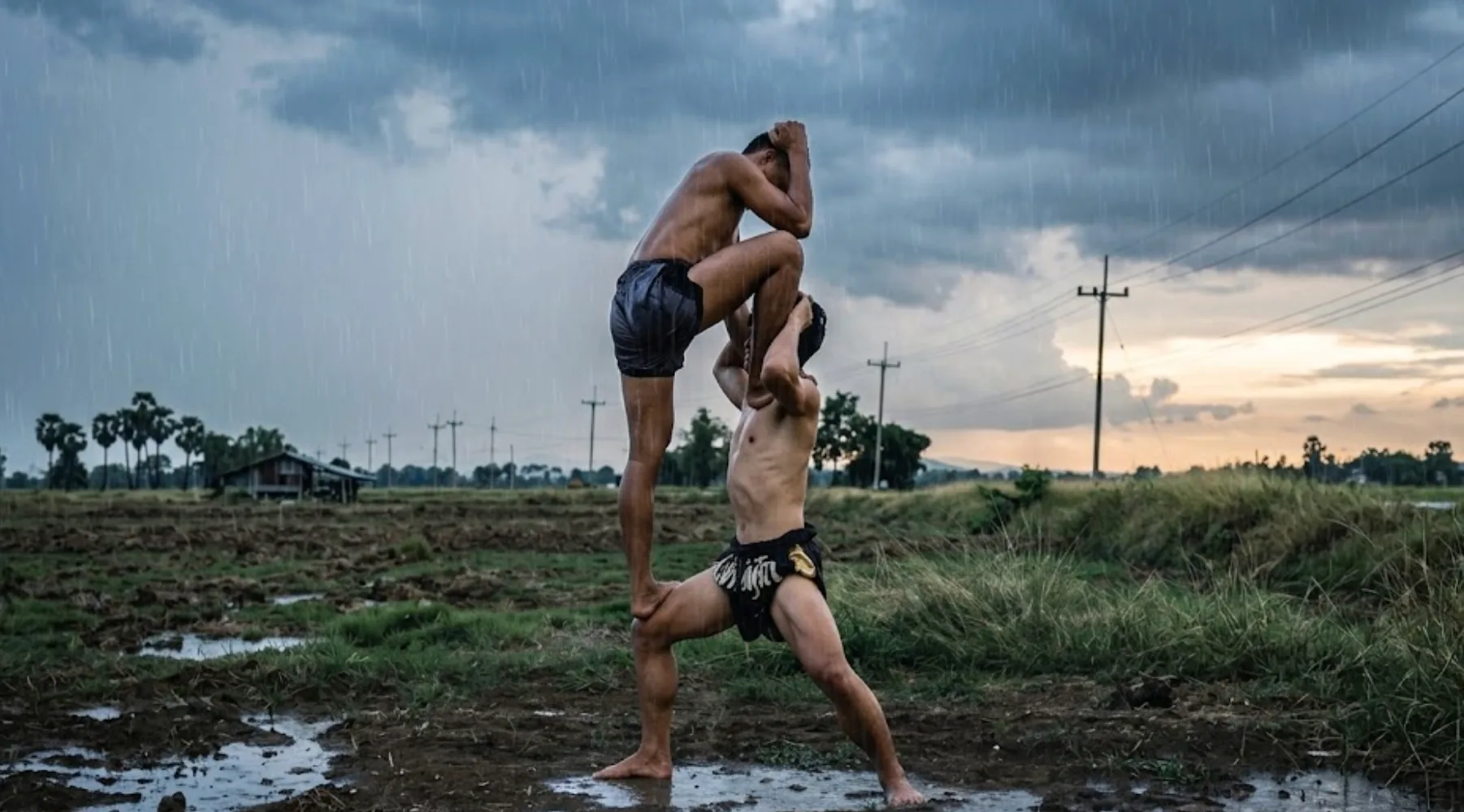
There is a test that every serious Muay Thai gym applies, and it is not the one most people expect. The technique, the conditioning, the work rate on the pads. All of these can be developed. Trainers have been building fighters from raw beginners for decades and they know exactly how to do it.
The test that actually determines whether someone belongs in a gym, whether they earn the respect of the people around them, is something older and harder to fake.
In Thai, the phrase is jai dee. Good heart. Two syllables that carry a weight most English translations cannot fully capture. It is not kindness, though kindness is part of it. It is not courage, though courage is absolutely part of it. Jai dee is the character underneath all the training, the thing that reveals itself not in the winning but in the losing, not in the easy sessions but in the hard ones.
What Good Heart Looks Like
Watch a fight at a provincial Thai stadium and you will see it clearly. A fighter takes a heavy elbow in the third round. The cut opens above his eye. Blood runs down his face. He looks across the ring at his opponent, gives the smallest nod, and walks back in.
That nod is jai dee. It is not resignation. It is acknowledgement. It says "you caught me well," and then it says "now we continue."
Jai dee is present in sparring when you automatically go lighter with a beginner without being asked. It is the trainer who holds pads for an extra hour because a student needs the time. It is the experienced fighter who shares honest knowledge without gatekeeping it. It is the decision to contribute to the gym, not just take from it.
It Matters More Than Winning
Muay Thai scoring is a complex thing. A fighter can win on points, on damage, on aggression, on dominance. But there is a quality that the most respected judges, the old men who have watched thousands of fights from ringside, respond to in a way that sits completely outside the scorecard.
A fighter who continues to engage when it would be easier not to, who shows craft under pressure, who respects the opponent even while trying to beat them. These are the qualities that make a fight memorable long after the result is forgotten. Records fade. The fights that get talked about for years are the ones where both fighters showed jai dee.
This is part of why the Wai Kru matters. The pre-fight ceremony is a public declaration of good heart. Before a single strike is thrown, the fighter is telling the room who they are.
It Transfers Outside the Gym
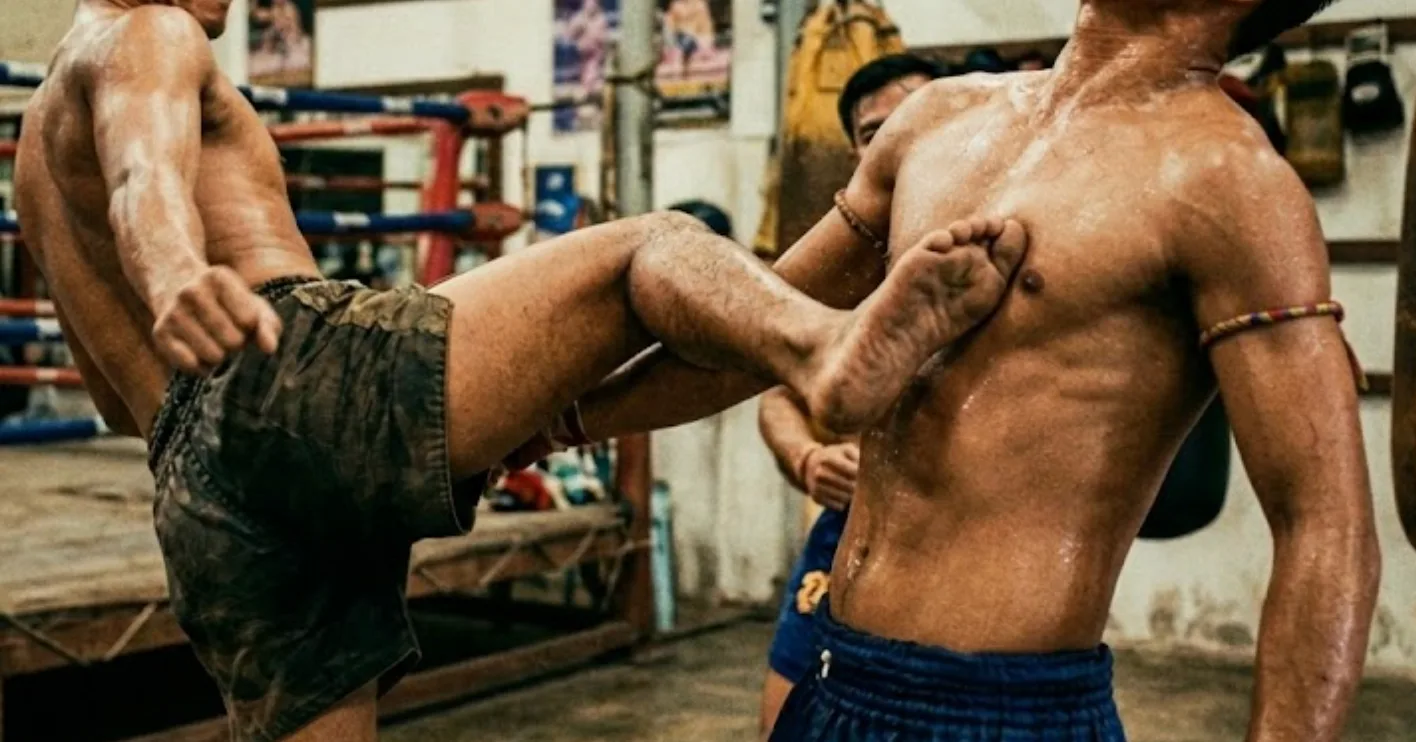
People who train seriously for long enough notice that the qualities developed inside the gym do not stay there. The discipline required to show up every morning regardless of how you feel transfers. The ability to absorb a difficult situation without flinching transfers. The understanding that discomfort is temporary and progress is real transfers.
Jai dee is the value that connects the gym to life outside it most directly. The honesty it requires in training, about your weaknesses, your progress, your readiness, is the same honesty that makes someone reliable and good to be around in every other context.
The Thais have understood this for a long time. Muay Thai is not just a sport in Thai culture. It is a character-forming practice. The physical training is the vehicle. Jai dee is the destination.
You Cannot Drill It
There is no pad exercise for good heart. No sparring drill that instils it. It develops through time, through difficulty, through the accumulation of hard sessions and hard decisions and the choices made in both.
The closest thing to a shortcut is surrounding yourself with people who already have it. Gym culture shapes everyone inside it. If you train somewhere the veterans genuinely respect beginners, where trainers give their best on tired days, where fighters support each other rather than competing inside the same building, it gets into you by proximity.
Choose your gym like it matters. Because it does.
The Standard Worth Training Towards
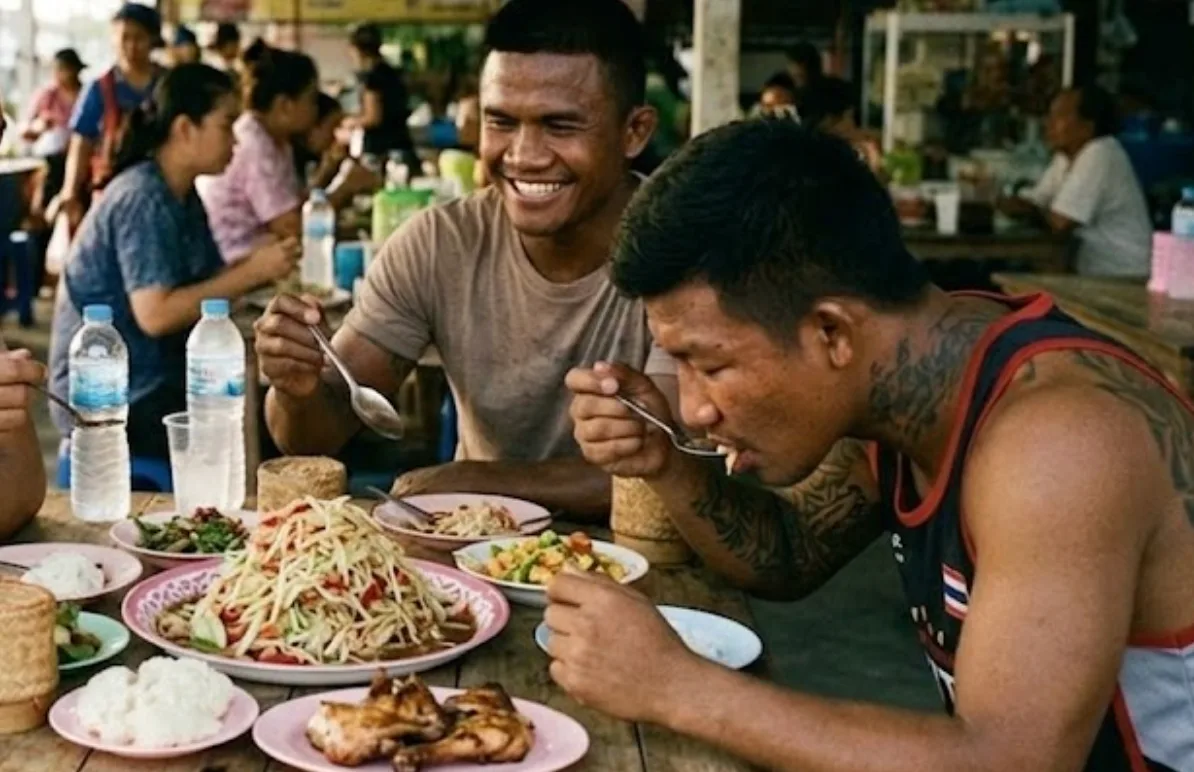
Jai dee is the quality MT4U is built around. The community this platform exists to serve, from the person considering their first class to the fighter preparing for their first bout to the gym owner trying to build something worth belonging to, they all share one thing already. They love this sport enough to put serious time into it.
That love is a form of good heart. The goal is to make sure everything here reflects the same standard. No gatekeeping. No hierarchy. Just people who love Muay Thai, helping people who love Muay Thai, at whatever level they are at.
That is the whole thing. Jai dee.
Frequently Asked Questions
What does jai dee mean in Muay Thai?
Jai dee is a Thai phrase meaning "good heart." In Muay Thai, it describes the character underneath all the training: the courage to fight when it is hard, the honesty to train when you do not want to, and the humility to lose and come back. It is the quality that earns real respect in a Thai gym, and it cannot be faked inside a ring.
How is jai dee different from just being nice?
Jai dee goes well beyond politeness. It encompasses courage, honesty, and a willingness to contribute rather than just take. A fighter who walks back into a hard exchange after being hurt is showing jai dee. A trainer who holds pads for an extra hour because a student needs it is showing jai dee. It is part of what makes your first Muay Thai class feel different from other sports. It is character under pressure, not just pleasantness in easy circumstances. It is also what separates Muay Thai's culture from every other striking art.
Can you develop jai dee through training?
Not directly. There is no pad exercise for good heart. It develops through time, through difficulty, and through the accumulation of hard sessions and hard decisions. The closest thing to a shortcut is training somewhere the culture already has it. Gym culture shapes everyone inside it, and surrounding yourself with people who demonstrate jai dee is the most reliable way to develop it by proximity.
Why do Thai judges value jai dee in a fight?
The most respected judges in Muay Thai respond to something beyond the scorecard: a fighter who continues to engage when it would be easier not to, who shows craft under pressure, and who respects the opponent while trying to beat them. These qualities make a fight memorable long after the result is forgotten. It is a dimension of performance that cannot be faked over five rounds.
How does jai dee show up for beginners starting Muay Thai?
For a beginner, jai dee shows up in the small, invisible moments: arriving on time when nobody is checking, drilling the technique properly when you could coast, asking questions instead of pretending to understand. It shows up in how you treat more experienced students and how you react to correction. The gym notices these things even when nobody says so. Good heart earns good training long before technique earns anything.
Does jai dee apply outside of Muay Thai competition?
Completely. The qualities that make up jai dee, courage under difficulty, honesty about your own weaknesses, contribution rather than just consumption, are useful in every part of life. People who train seriously for long enough tend to notice that the discipline carries over. The version of yourself that shows up on a hard Tuesday morning when you do not want to train is the same version that shows up in difficult situations elsewhere. That is not a coincidence.