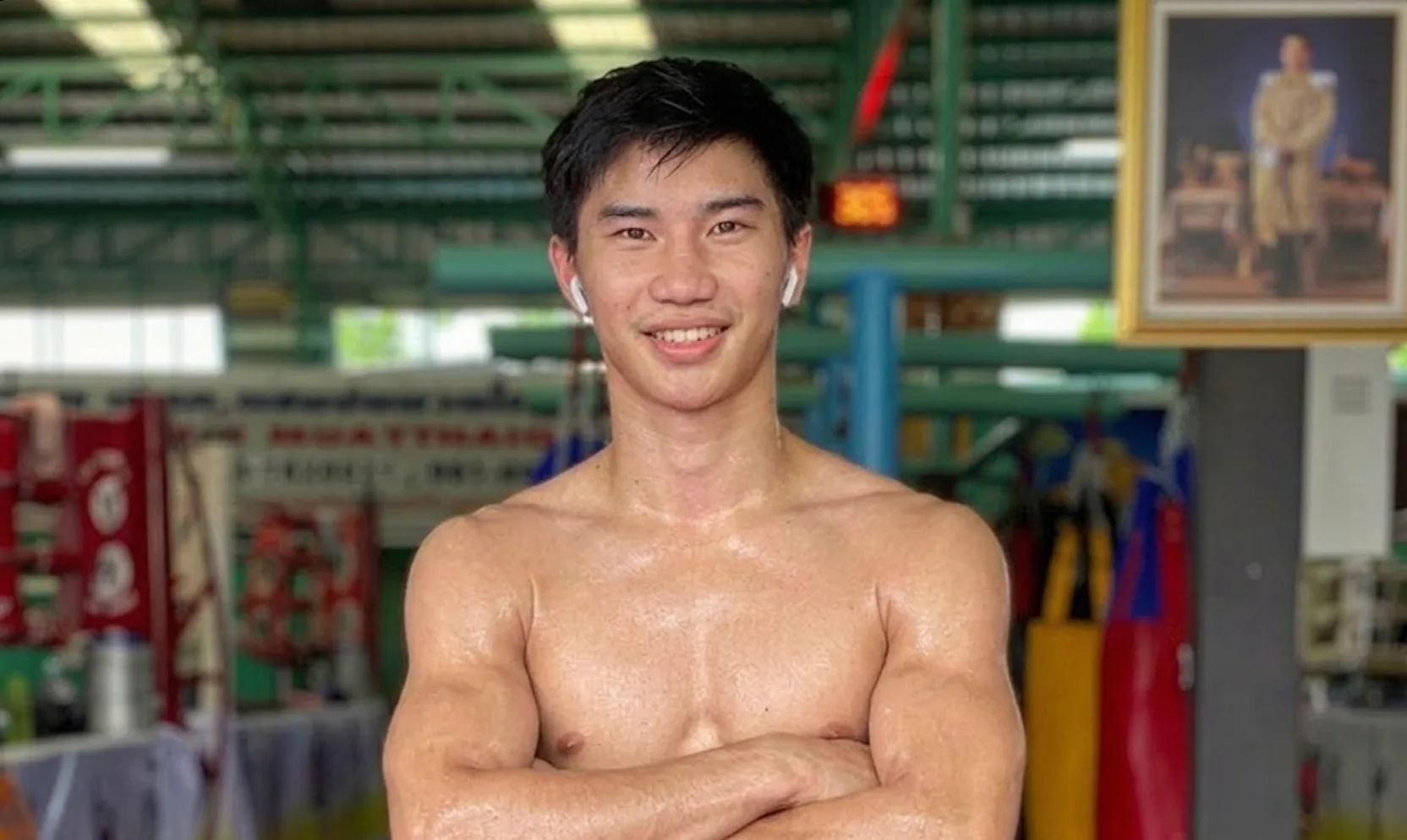
There are fighters who win and fighters you cannot stop watching even when they are doing something as routine as circling the ring. Tawanchai PK Saenchai is firmly in the second category. The Thai southpaw fights with a technical elegance that makes experienced Muay Thai observers reach for language that sits closer to art criticism than sports analysis.
In an era when ONE Championship has taken Muay Thai to the biggest international audience in the sport's history, Tawanchai arrived as the kind of fighter the sport had been waiting to showcase at that level. His left kick in particular is the kind of technique that makes trainers stop pad sessions across gyms and point at the screen.
Right now, though, his story is in a complicated chapter. The questions surrounding his recovery, his future, and what comes next are ones worth understanding properly, because the answers matter beyond just one fighter's career.
Who Is Tawanchai PK Saenchai?
Tawanchai is a Thai fighter from the PK Saenchai Muaythaigym stable in Bangkok, one of the most respected training camps in modern Muay Thai. He competes as a featherweight in ONE Championship, and his style is classical Thai technique delivered at a speed and precision that separates him from nearly everything else at his weight class.
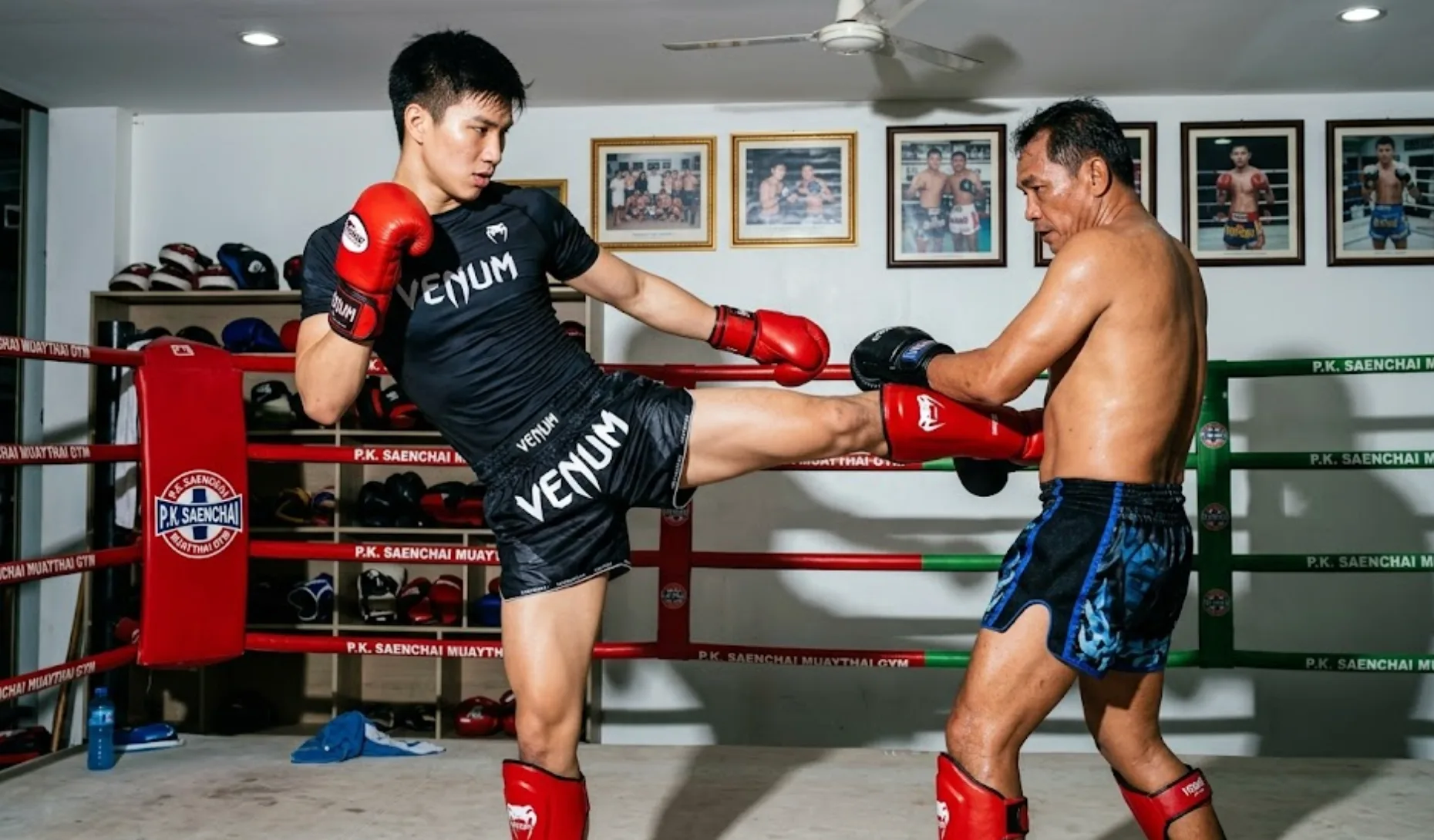
He is a southpaw, meaning his left hand leads and his left kick is his primary power weapon. That left kick has become one of the most recognisable techniques in the sport right now. He fights like someone who read the entire Muay Thai textbook and then practised it until it became instinct. Everything is in the right place. The guard, the distance management, the timing of his entries.
His rise through ONE Championship was the kind of progression that generates genuine excitement among people who watch the sport closely. Not a rocket, but a steady, credible build from contender to champion that looked earned at every stage.
There is another dimension to his appeal that does not often come up in technical breakdowns. Tawanchai is undeniably good-looking, and it matters. He has become a genuine fan favourite among Thai women, the kind of profile that lands him on social media timelines far outside the Muay Thai world. He is, in the most accurate comparison the sport allows, Thailand's Muay Thai answer to Lalisa. The art found its international superstar.
The Left Kick That Defines His Career
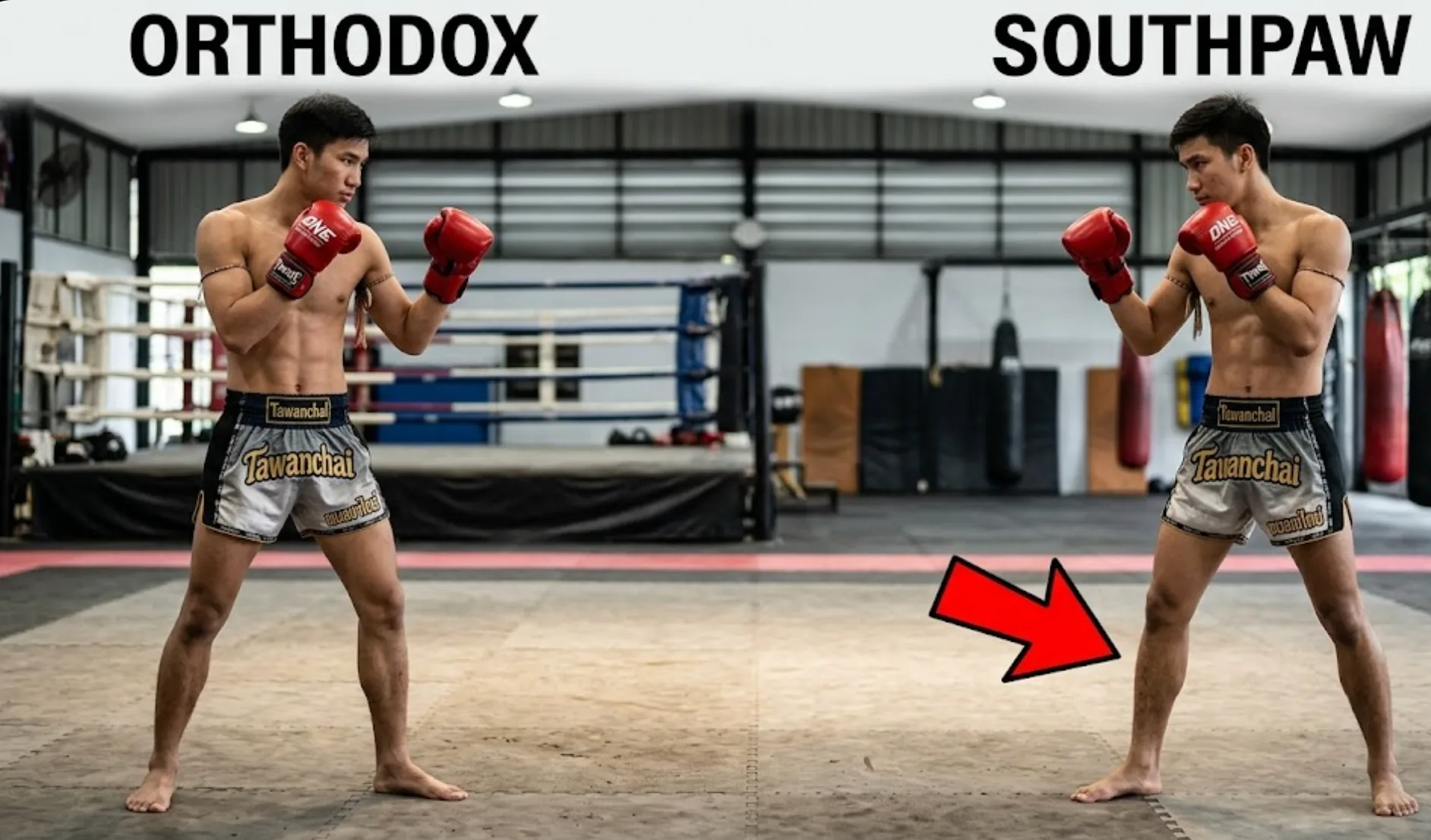
The technique that has made Tawanchai famous is his left roundhouse kick to the body and head. It arrives with exceptional hip drive, travels at a speed that gives opponents almost no time to check or move, and lands with a force that is completely disproportionate to how effortless the throw looks on first viewing.
Several of his ONE Championship wins have come from this technique as the deciding factor. He does not throw it recklessly. He sets it up, manufactures the opening, and then commits fully at precisely the right moment. The patience required to wait for the right moment rather than force the technique is as impressive as the kick itself.
He has also demonstrated the full range of Muay Thai in competition. The elbows in the clinch, the teep as a range controller, the precision of his counters. Tawanchai is not a one-technique specialist. He is a complete fighter who happens to have one technique that is operating at a different level to almost anyone else in his division.
ONE Championship and the 4oz Gloves Debate
ONE Championship introduced 4oz MMA-style gloves for its Muay Thai bouts rather than the traditional 8oz to 10oz gloves used in classic stadium Muay Thai. This is a genuine point of conversation within the Muay Thai community, and it is worth understanding both sides of it honestly.
Those who support the change argue that lighter gloves create a more complete experience. They force fighters to respect danger at all ranges, including close range where elbow and clinch techniques become more exposed. The argument is that thicker gloves protect fighters in ways that alter the nature of the art, and that 4oz gloves sit closer to the original conditions under which the techniques were developed.
Critics take a different view. Traditional Muay Thai developed its techniques and its scoring systems around specific equipment and conditions. Changing the gloves changes the game. Elbows become more dangerous, clinch positioning shifts, and the dynamic of striking exchanges is different under 4oz than it is under the traditional weight. The concern is that what ONE Championship presents is excellent martial arts, but it is a modified version of the art rather than its classical form.
Both positions are reasonable, and the sport is big enough to hold both. ONE Championship has done more to grow the global audience for Muay Thai than arguably any other single organisation in the sport's history. Whether that growth involves trade-offs in tradition is a question worth asking without requiring a definitive answer.
The Best Young Talent and a Controversial Direction
One of the more complex dynamics in modern Muay Thai is that the sport's best young talents are increasingly finding their way to ONE Championship rather than building careers at the traditional Thai stadiums. The financial incentives, the broadcast reach, and the global profile of ONE Championship make it a compelling destination for ambitious young fighters.
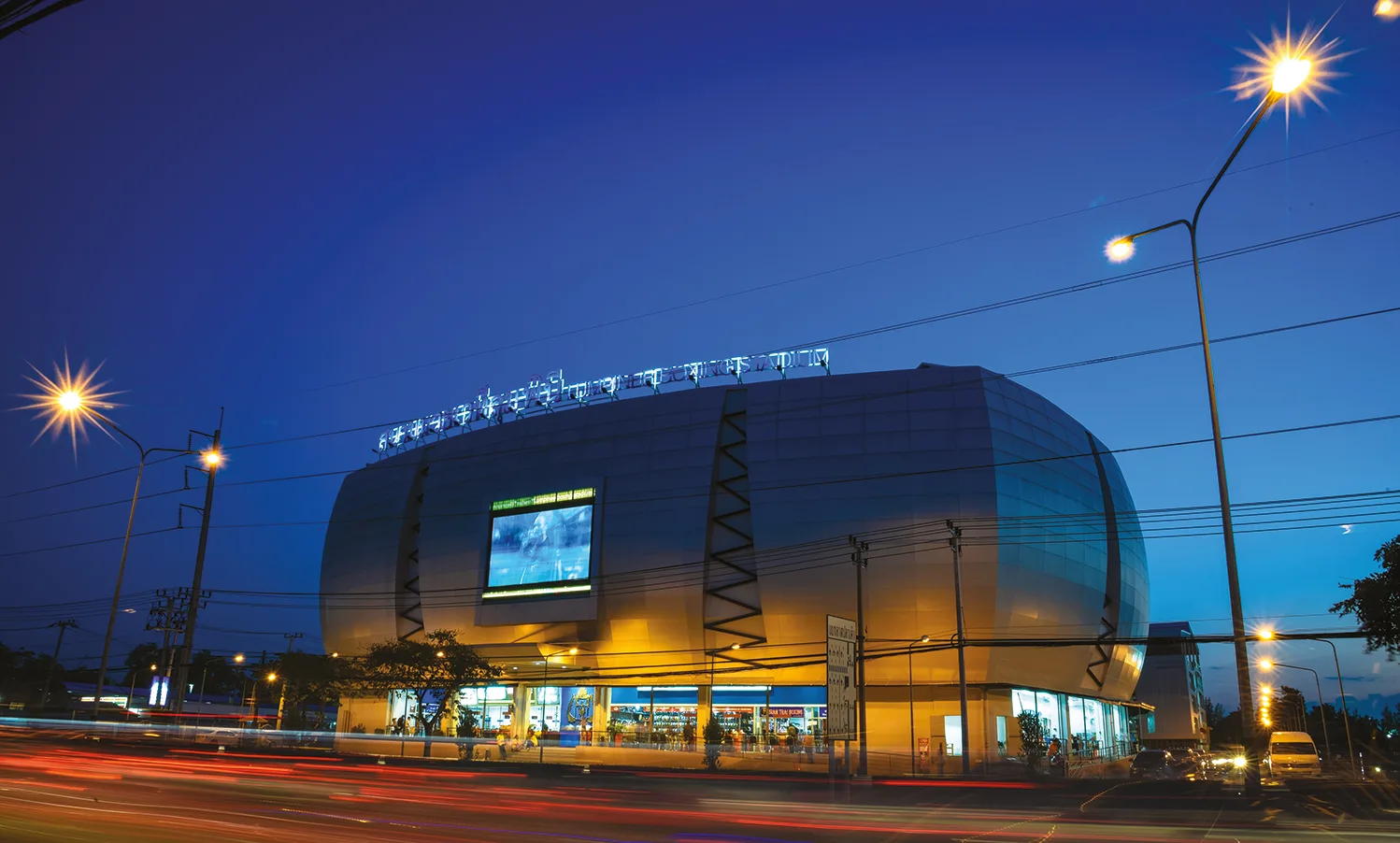
For traditionalists, this is a genuinely mixed development. The classic Lumpinee and Rajadamnern circuits remain the spiritual home of the sport, and the argument is that the most authentic Muay Thai development still happens through those channels. Fighters who spend their formative years in the Thai stadium system are building their craft under conditions closest to the art's origins.
The counterargument is that the exposure ONE Championship provides reaches audiences that the stadium circuit never could, and that this exposure ultimately brings more people to the sport and to the gym. Tawanchai has introduced Muay Thai to people who would never have found it otherwise. Whether the version they found is the most traditional one is a separate question from whether it is a good one.
The Injury and What Comes Next
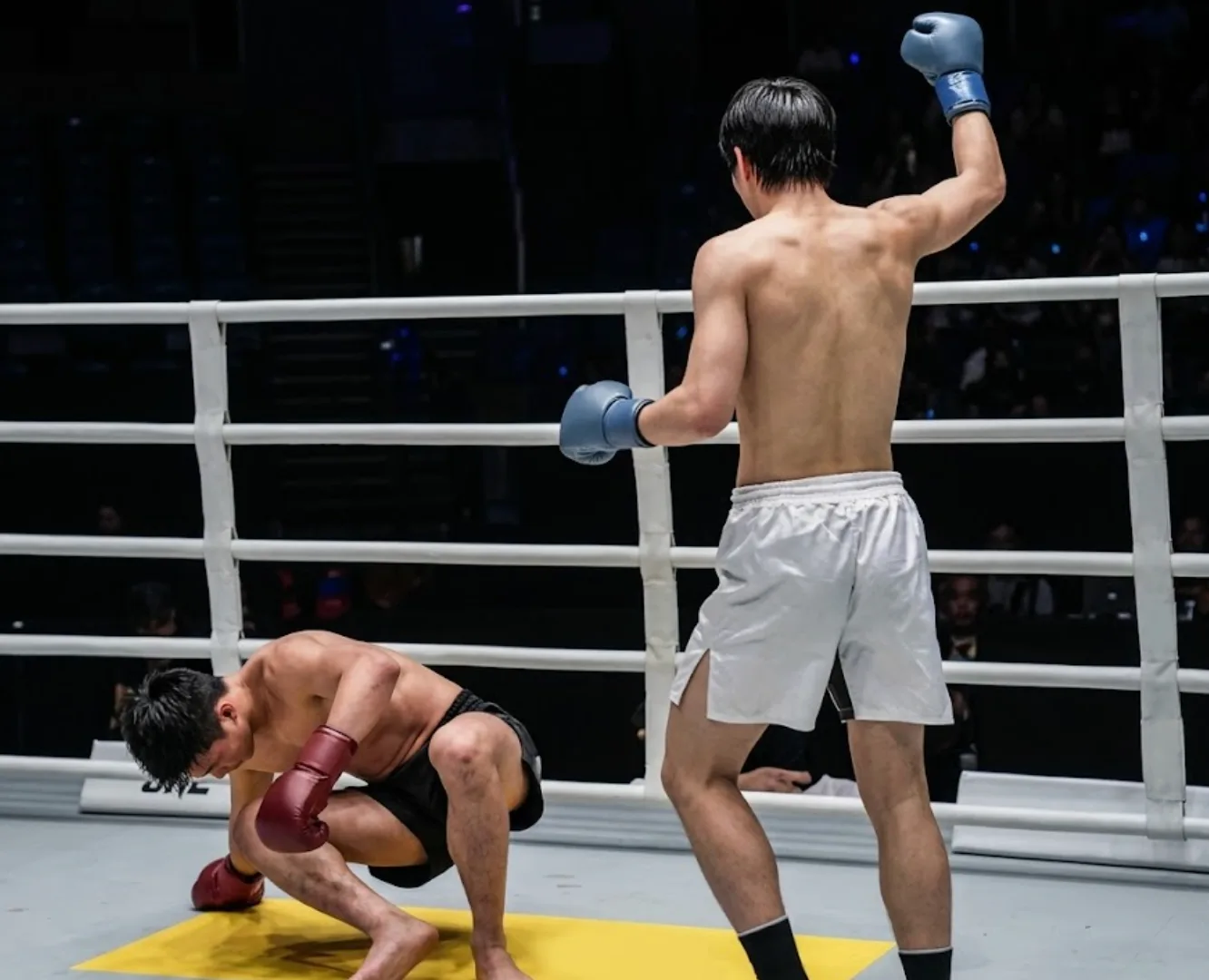
Tawanchai suffered a broken leg following a bout that many felt did not show him at his best. The timeline for his return is currently unclear, and the uncertainty around it is real. This is the honest situation as it stands.
Serious injuries at the elite level always carry this weight. The physical recovery is one challenge. The mental side of returning to high-stakes competition after significant damage is another entirely. Some fighters come back sharper because the experience strips away any complacency and forces a harder rebuild. Others find that something subtle shifts in how they approach a fight. Which category a fighter falls into is never fully predictable before it happens.
The Muay Thai world is watching and waiting. Tawanchai is young, trained at one of the best camps in the sport, and has already demonstrated technical gifts that do not disappear during recovery. The expectation from people who have watched him closely is that his best Muay Thai is still ahead of him. Whether that turns out to be true is one of the more interesting open questions in the sport right now.
Watch the left kick. That is the art. And whatever happens next in Tawanchai's story, the technique has already been documented at a level that will inform training conversations for years.
Frequently Asked Questions
Who is Tawanchai PK Saenchai?
Tawanchai PK Saenchai is a Thai Muay Thai fighter from the PK Saenchai Muaythaigym camp in Bangkok. He competes as a featherweight in ONE Championship and is widely regarded as one of the most technically gifted Muay Thai fighters of his generation. For the full picture of where he sits in history, see our breakdown of the greatest Muay Thai fighters of the modern era. He is a southpaw known particularly for his devastating left roundhouse kick.
What makes Tawanchai's left kick so effective?
Tawanchai's left kick combines exceptional hip drive, precise timing, and full follow-through in a technique that generates power disproportionate to its apparent effort. He disguises the setup well and typically lands it after manufacturing a specific opening rather than throwing speculatively. The technique has been the deciding factor in multiple ONE Championship bouts.
What are the 4oz gloves in ONE Championship Muay Thai?
ONE Championship uses 4oz MMA-style gloves in its Muay Thai bouts rather than the traditional 8oz to 10oz gloves. This is a controversial change within the Muay Thai community. Supporters argue lighter gloves are closer to the art's origins. Critics argue the change alters the nature of the sport, particularly how elbows and clinch exchanges work.
What gym does Tawanchai train at?
Tawanchai trains at PK Saenchai Muaythaigym in Bangkok, one of the most respected Muay Thai training camps in the sport. The gym is named after legendary fighter Saenchai and has produced a number of elite-level competitors. Training at PK Saenchai is considered one of the stronger indicators of serious Thai Muay Thai development.