
In every Muay Thai gym, there is a fighter who wins differently from the others. Not with the spectacular roundhouse kick that ends rounds in highlight reels. Not with the sharp hand combination that drops someone before they register what happened. They win by walking forward, by taking the fight into the place where the opponent does not want to be, and by staying there long enough to make the outcome inevitable.
This is Muay Khao. The knee-fighting style. Patient, physical, and in the hands of its greatest practitioners, nearly impossible to stop.
Understanding Muay Khao is understanding that there is more than one theory of winning a Muay Thai fight, and that the most methodical theory is often the most effective one.
What Muay Khao Actually Is
Muay Khao translates literally as "knee Muay Thai." It describes both a fighting style and a certain type of fighter: tall, physical, comfortable in close quarters, and using the knee as the primary offensive weapon from the clinch.
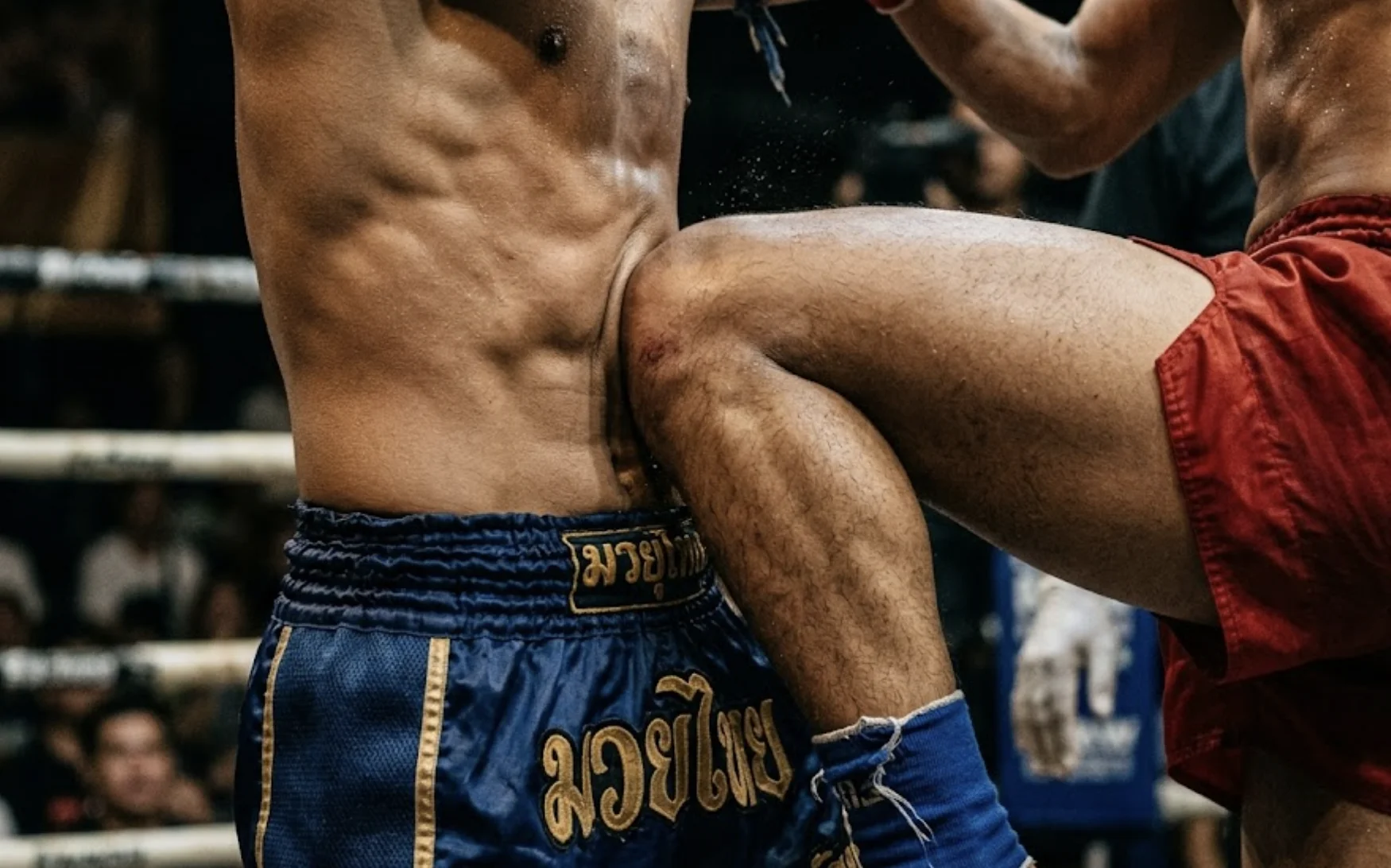
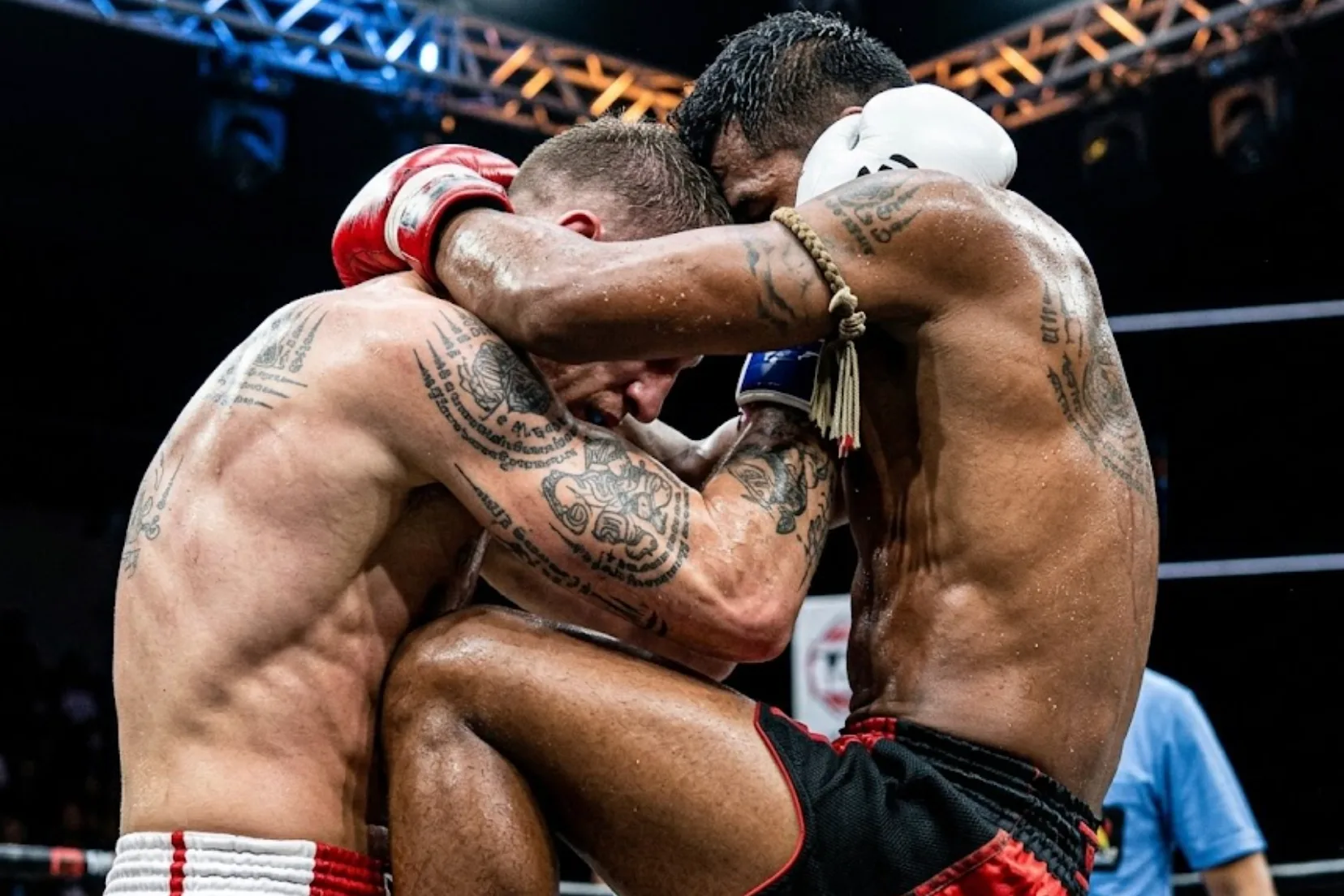
The style is built on a simple premise. If you can control the clinch position and keep your opponent in it, the knee becomes a tool that accumulates damage systematically over the course of a fight. Every locked position, every neck tie and body lock and belt-level grip, is a setup for the knee. The clinch is not a neutral position for a Muay Khao fighter. It is where they do their most dangerous work.
The knee, thrown from the clinch, travels upward into the midsection or the thigh, or diagonally into the ribs. A body strike from the knee does not feel like a punch to the body. It is heavier, more penetrating, and it lands with the full weight and momentum of the practitioner's hip driving behind it. Five or six of these to the ribs over the course of a fight changes how the opponent breathes. By the later rounds, they are not breathing the same way they were at the start.
The Weapons of a Knee Fighter
The knee is not one technique. It is a family of techniques, each suited to different positions and ranges within the clinch.
The straight knee (khao trong) travels directly upward from a locked position, targeting the midsection. It is the most powerful of the knee variations because the hip drives straight up and the fighter's full body weight is committed into the strike. From a secured neck tie, a well-timed straight knee to the solar plexus will stop a fighter mid-attack.
The diagonal knee (khao chiang) travels at an angle, targeting the ribs or the hip. It is used when the opponent's core is protected or when the fighting position does not allow a straight line upward. It is harder to defend against than the straight knee because the trajectory is less predictable.
The flying knee (khao loi) is Muay Khao's most spectacular application, though it is not clinch-dependent. Thrown while airborne off the lead leg, it generates tremendous force through the combination of forward momentum and hip extension. It is not a Muay Khao exclusive, but it appears with particular frequency in the arsenal of knee-oriented fighters who have developed the confidence in their knee game to use it at distance.
Why the Clinch Is Everything
The Muay Khao style lives and dies on clinch quality. A knee fighter who cannot achieve and maintain the clinch position has no delivery system for their primary weapon. This makes clinch work the foundational skill, and the one that beginners most often underestimate.
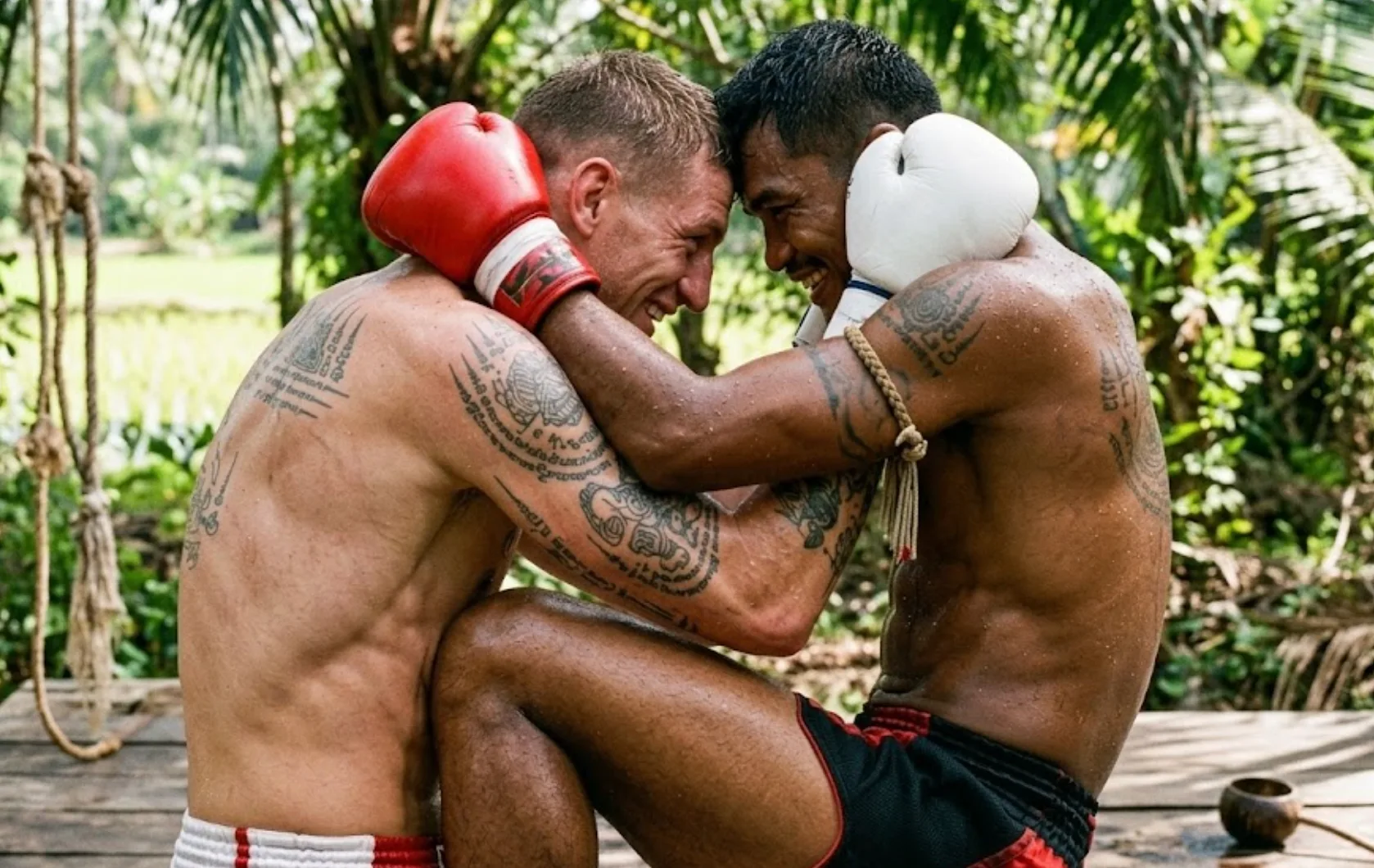
The Muay Thai clinch is not passive holding. It involves active fighting for the neck tie, the double underhook, the body lock, and the single collar tie, each of which creates different knee opportunities and carries different defensive vulnerabilities. A practitioner who understands clinch position can control where the fight happens. One who does not gets walked where the opponent wants them.
The best Muay Khao fighters are also excellent clinch defenders. They know how to prevent their opponents from creating knee opportunities of their own, which requires understanding how their position looks from the other side. Clinch work is essentially a chess game at close range, and the Muay Khao fighter needs to be better at it than anyone they face.
Dieselnoi and the Blueprint
No conversation about Muay Khao is complete without Dieselnoi. He was Lumpinee Stadium lightweight champion from January 1981 through 1985 and is regarded as the greatest knee fighter in the history of the sport. His clinch control was so refined, and his knee game so dominant, that he is reported to have been retired not because he was beaten but because no fighter at his weight would agree to face him.
What made Dieselnoi distinctive was not just the physical attributes that gave him an advantage in the clinch, specifically his height and reach for a lightweight, but the way he used the clinch offensively rather than defensively. He did not clinch to slow the fight down. He clinched to do damage, and at close range he was the most dangerous fighter of his generation.
Studying footage of Dieselnoi is studying what Muay Khao looks like when it is fully realised. The positions he achieves, the way he transitions between knee attacks, the way he keeps opponents from creating any offensive return, these are the reference points that trainers still use today.
Developing the Muay Khao Game
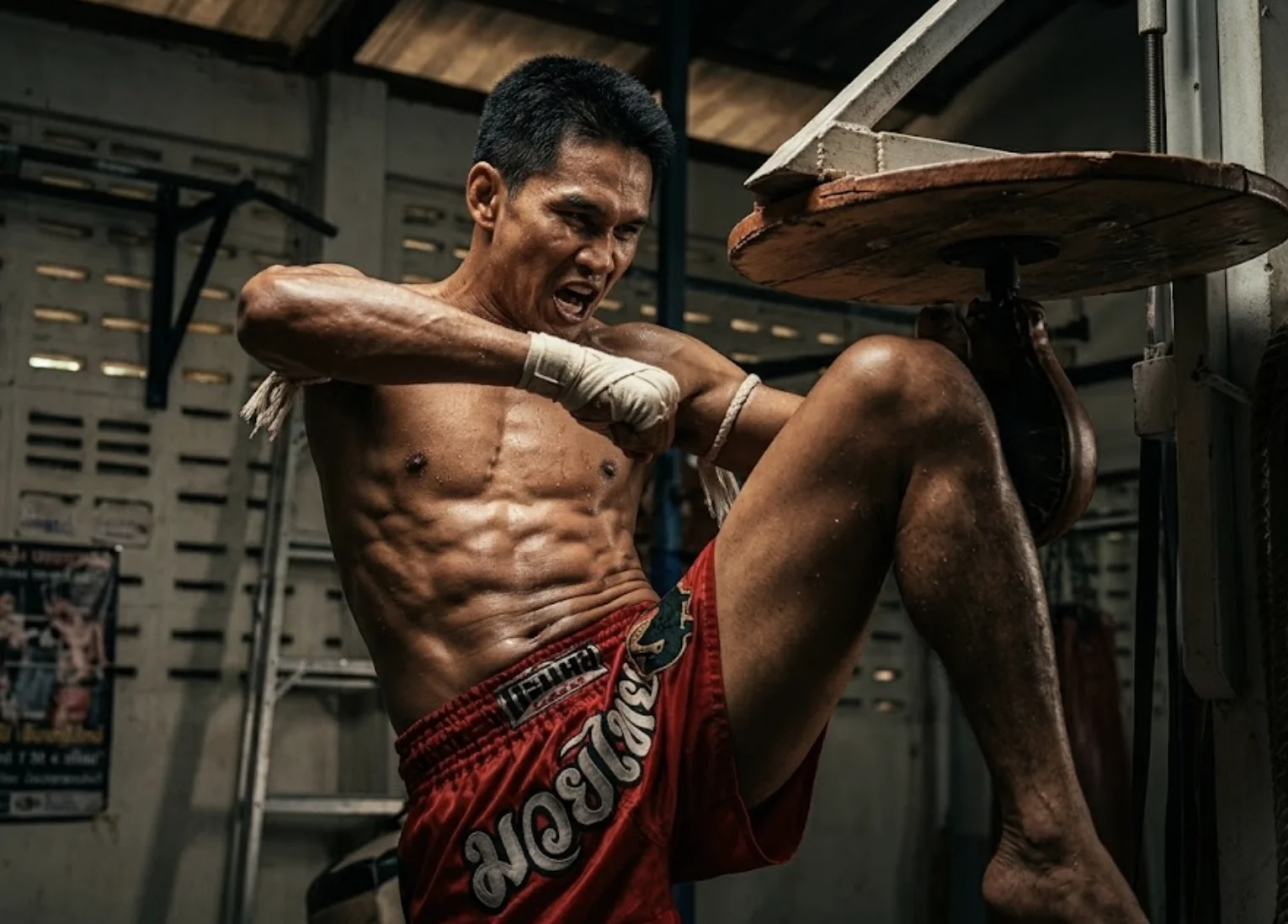
The physical demands of Muay Khao are significant and specific. The hip flexors and core take the primary load in knee generation. The grip strength and shoulder endurance required for sustained clinch exchanges are different in kind from what punching or kicking develops. Muay Khao practitioners who neglect conditioning for these specific areas fade in the later rounds of fights that their technique would otherwise win.
Running is the traditional conditioning base for this style, and not without reason. The cardiovascular demands of continuous clinch fighting, which is more physically intense than most people who have not done it appreciate, require a large aerobic base to sustain. Thai fighters who specialise in knee work typically run more than their counterparts, not less.
For practitioners developing a Muay Khao game in the gym, the path is straightforward if not easy. Clinch drilling with a training partner, repeated and specific, is the only way to develop the positional instincts the style requires. Knee mechanics on the pads develop power and timing. Sparring with permission to clinch and work knees, which not all gyms allow freely, is where the style becomes real.
The knee fighter is a particular kind of Muay Thai practitioner. They are comfortable being uncomfortable. They welcome the press, the physical exchange, the kind of close-quarters intensity that makes some fighters eager to create distance. They have decided that the best place to be in a fight is exactly where the opponent least wants them to be. Once that decision is made, and once the clinch skill is developed to act on it, the knee becomes what it was always capable of being: one of the most devastating weapons in Muay Thai's already formidable arsenal.
Frequently Asked Questions
What is Muay Khao?
Muay Khao is a Muay Thai fighting style centred on knee strikes, typically deployed from the clinch. Practitioners who fight in this style are often taller fighters who use their reach and physical presence to control opponents in close range, where the knee becomes the primary weapon. The style is considered one of the most technically demanding in Muay Thai because it requires both the offensive skill to land knees effectively and the clinch control to create the positions in which knees become available. Dieselnoi is widely regarded as the greatest Muay Khao practitioner in the history of the sport.
Who is the greatest Muay Khao fighter?
Dieselnoi Chor Thanasukarn is the most cited name when this question comes up. He was Lumpinee Stadium lightweight champion from 1981 to 1985 and is said to have been forced into retirement because no fighter of comparable weight was willing to challenge him. His knee game from the clinch was so dominant, and so technically advanced, that he is still studied as the reference point for the Muay Khao style by trainers and fighters globally.
How do you train Muay Khao?
Developing a Muay Khao game requires consistent work on three specific areas: clinch control (learning to achieve and maintain the neck tie and body lock positions), knee mechanics (drilling the upward knee, the diagonal knee, and the straight knee on pads), and the stamina to sustain high-intensity clinch exchanges over multiple rounds. Running and conditioning work supports the style particularly well because Muay Khao places extraordinary demands on the hip flexors, core, and cardiovascular system over sustained periods.
Is Muay Khao effective for shorter fighters?
Muay Khao is traditionally associated with taller fighters, who have a natural advantage in the clinch because of the leverage their height provides. Shorter fighters can absolutely develop a knee game, but they typically need to rely on different clinch entries and positions than their taller counterparts. The style is not exclusively for tall practitioners. What it requires is a willingness to be in the clinch, comfort at close range, and the physical conditioning to sustain that work for full rounds.
What is the difference between Muay Khao and Muay Femur?
Muay Khao is the knee-fighting style, built around clinch dominance and knee strikes. Muay Femur is the technical counter-fighter style, characterised by high ring IQ, timing, precision, and the ability to outmanoeuvre opponents through intelligent movement and well-timed counters rather than pressure. Both are recognised as elite Muay Thai styles, and the distinction between them reflects different theories of how to win a fight. Many elite fighters have elements of both in their game, but specialists in each style are immediately recognisable to an experienced eye.