

"I'll start when I'm a bit fitter." It is one of the most common things people say in the weeks before they finally walk into a Muay Thai gym, and it is almost always a reason rather than a plan.
The fitness concern is understandable. Muay Thai looks demanding from the outside, because it is. You watch a pad round and see a practitioner moving fluidly at serious intensity for two minutes without apparent effort. You watch the bag work and see power and precision that suggests a body in exceptional condition. You imagine walking into that environment and not being able to keep up, and the image is uncomfortable enough to make postponing feel sensible.
But the logic does not hold. The way to become fit enough to train Muay Thai is to train Muay Thai. There is no preparatory fitness that replicates what the training actually demands, and no amount of prior conditioning removes the shock of the first session. The shock is part of the process. What varies is not whether it happens but how quickly it passes.
What Actually Happens to Unfit Beginners
The first few sessions are hard regardless of fitness level. The specific demands of Muay Thai training are unlike most other forms of exercise. The rotational movement of the kicks, the unfamiliar loading of the hip flexors, the cardiovascular rhythm of pad rounds with short rest intervals: these engage muscles and energy systems that running, cycling, or weight training do not replicate.
A very fit person who has never trained Muay Thai will gas out in their first pad round. Not as dramatically as someone who has not exercised in years, but enough to understand that the training is its own category. Fitness helps. It is not a prerequisite.
What a new student needs in the first session is not a high fitness level. They need enough stamina to pay attention, to absorb correction, to try the technique again after it goes wrong the first time. The sessions are designed to introduce technique, not to test conditioning. A coach who pushes a first-session beginner to the point of exhaustion is not running a good beginner programme.
Work at your own pace. Signal when you need a moment. Come back next week. Those three things produce more fitness over six months than any amount of pre-training that delays the start date.
The Fitness You Gain From Training
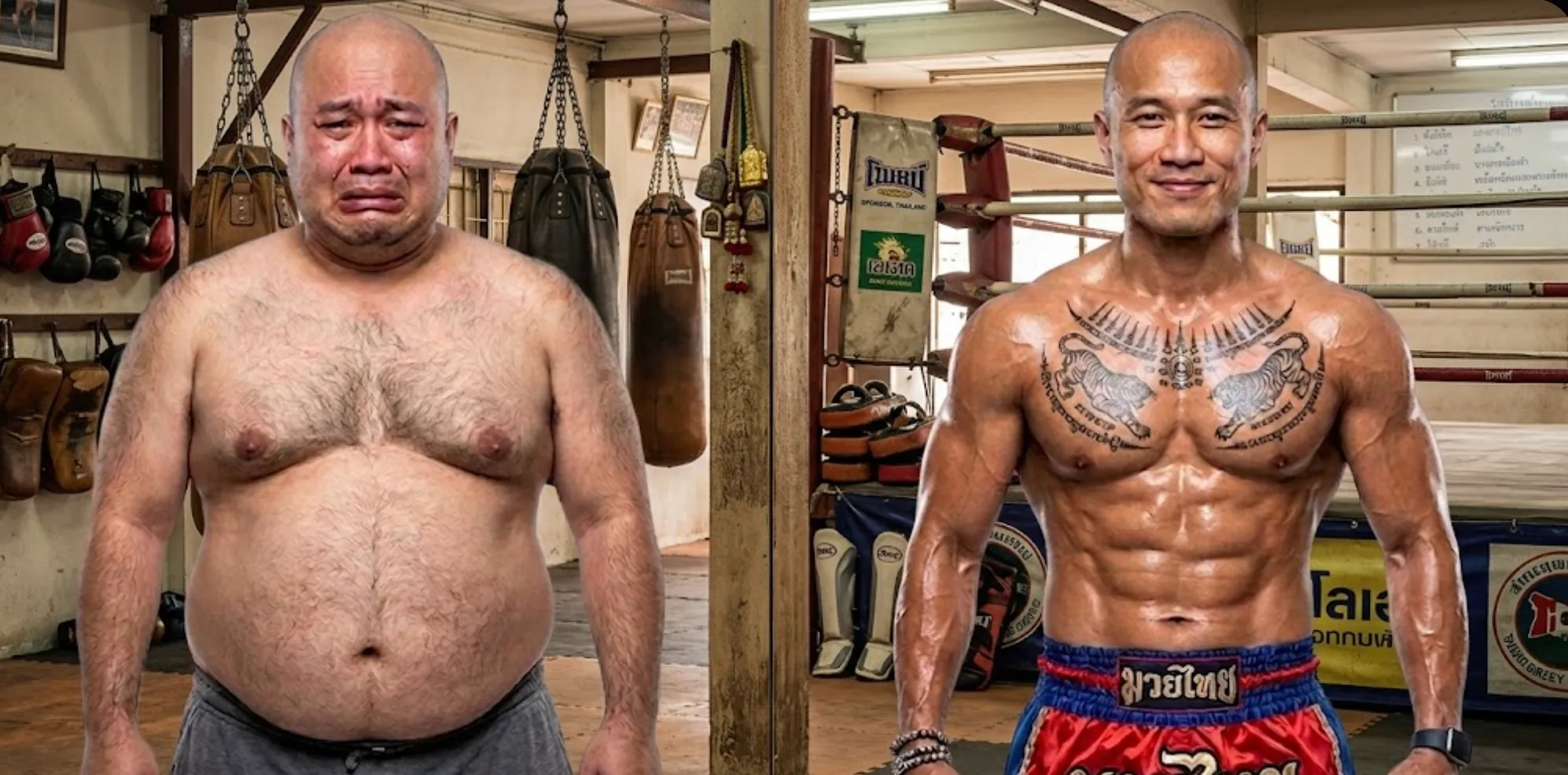
Within six weeks, consistent Muay Thai training produces noticeable cardiovascular improvement. The first session that felt impossible becomes manageable. The third pad round that wiped you out starts to feel like something you can handle and still have something left.
Within three months, the adaptation is significant. The hip flexors, calves, and core that screamed at you after session one have developed the specific strength the sport requires. Your resting heart rate drops. Physical effort that would have been exhausting before training becomes ordinary. If you want to know what Muay Thai does to your body over time, we cover that in detail separately.
The sport asks for its specific kind of fitness, and it gives it to you as a reward for showing up consistently. The best way to prepare for Muay Thai is to start Muay Thai. Every week you train builds the exact capacity the next week's training requires. Nothing else does this as efficiently.

The Real Risk of Waiting
Here is the problem with "I'll start when I'm fitter." Fitter by whose standard? Measured against what threshold? The bar tends to float. Once the first fitness goal is met, a new one appears. The goalposts move because the real obstacle is not fitness. It is the discomfort of beginning something new in a room full of people who are better at it than you are.
That discomfort is not removable by getting fitter. It is only removable by doing the thing. The second session is less uncomfortable than the first. The fifth is less uncomfortable than the second. By the tenth, the gym is not a foreign environment. It is yours.

The people currently training at any gym you could walk into this week include people who started in exactly the condition you are in now. Some of them were less fit. Some of them had not exercised properly in years. They walked in anyway, and the training did what it is designed to do.
You do not need to be ready. You just need to show up.
Frequently Asked Questions
Do I need to get fit before starting Muay Thai?
No. Every gym that works with beginners expects new students to arrive at a range of fitness levels. The first sessions are designed to introduce technique and build familiarity, not to test your cardiovascular limits. See what to expect at your first Muay Thai class for a full rundown. The fitness comes from the training itself. Starting before you feel ready is almost always the right call.
Will I embarrass myself at my first Muay Thai class if I am unfit?
The concern is understandable and rarely justified in practice. Beginner Muay Thai classes accommodate people at every fitness level. Every person currently training at your gym was once a first-session beginner who was not as fit as the people around them. Gassing out is almost universal in the first month, and it passes faster than people expect. Coaches see this constantly. Training partners expect it. Nobody is waiting for you to struggle.
How fit do you get from Muay Thai training?
Significantly fitter than when you started. Within six weeks of consistent training, most new students notice meaningful improvement in cardiovascular endurance. Within three months, the fitness gains are substantial and visible in daily life: climbing stairs, sustained physical effort, and recovery from exertion all improve. The training is demanding enough to produce real and lasting physical adaptation.
Should I do cardio before starting Muay Thai?
It will not hurt. If you have not done significant cardio in some time, a few weeks of light running or cycling before your first session will reduce the initial shock. It is not necessary, and it is not a reason to delay starting. The most efficient way to get fit for Muay Thai is to train Muay Thai. Nothing else prepares the specific muscles and movement patterns that the sport demands.
What if I have to stop during training because I am too tired?
Tell the coach you need a moment and take one. No reputable gym expects a new student to complete every round at the same intensity as a practitioner who has been training for two years. Pacing yourself and recovering is part of learning how to train, and coaches understand the difference between a new student managing their limits sensibly and someone not putting in effort.